Buy referencez.eu ?
We are moving the project
referencez.eu .
Are you interested in purchasing the domain
referencez.eu ?
domain@kv-gmbh.de · 0541-91531010
Buy referencez.eu ?
What are stressed vowels and unstressed vowels?
Stressed vowels are vowels that are pronounced with more emphasis or force in a word, making them sound louder and longer. Unstressed vowels, on the other hand, are pronounced with less emphasis and are often shorter and softer in sound. The distinction between stressed and unstressed vowels is important in understanding the rhythm and flow of spoken language, as well as in determining the correct pronunciation of words. **
How many vowels are there?
There are five vowels in the English alphabet: A, E, I, O, and U. These letters are considered vowels because they represent sounds that are produced without any obstruction in the vocal tract. Vowels are essential in forming words and creating the sounds of speech. **
Similar search terms for Vowels
Top-Angebote
Products related to Vowels:
-
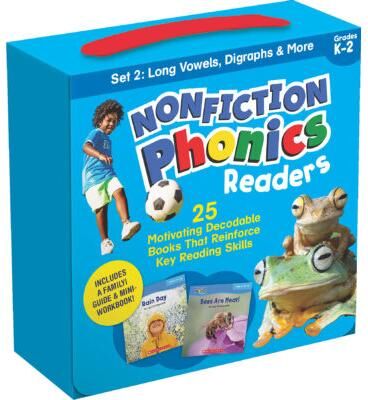
Nonfiction Phonics Readers SET 2: Long Vowels, Digraphs & MoreGive your child the tools to become a successful reader with this big collection of titles that target must-know concepts: long vowels, digraphs, two syllable words, and more. Each title features clear photos, just-right decodable text, and lively...20,39 $*Shipping: 0,00 $Secure redirect to the provider
-
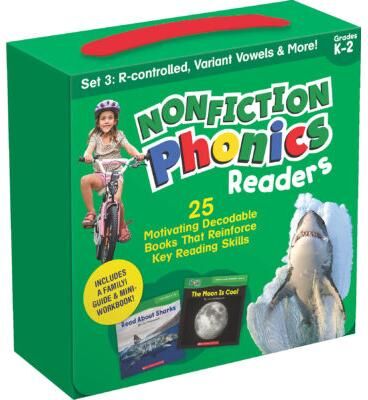
Nonfiction Phonics Readers SET 3: R-Control, Variant Vowels & MoreReinforce must-know phonics concepts with this cutting-edge series of nonfiction books! Each title features simple decodable text paired with clear, colorful photos to maximize learning and fun. From birds to birthdays, fast cars to big sharks―all...20,39 $*Shipping: 0,00 $Secure redirect to the provider
-
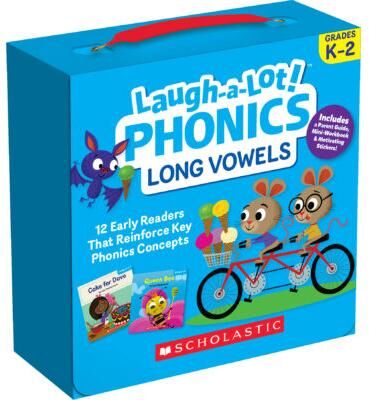
Laugh a Lot Phonics Laugh-A-Lot Phonics: Long Vowels Parent PackLay the foundation for literacy success with this super-engaging set of highly decodable stories! Inside the bright box, you'll find 12 funny books that provide targeted practice with simple, long-vowel words plus a tip-filled parent guide,...23,99 $*Shipping: 0,00 $Secure redirect to the provider
-
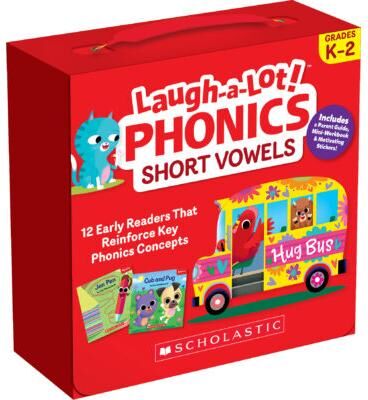
Laugh a Lot Phonics Laugh-A-Lot Phonics: Short Vowels Parent PackGive children the tools they need to soar as readers with this irresistible set of highly decodable stories! Inside the bright box, you'll find 12 funny books that provide targeted practice with simple, short-vowel words plus a tip-filled parent...23,99 $*Shipping: 0,00 $Secure redirect to the provider
-
What are vowels and consonants?
Vowels are speech sounds produced with an open vocal tract, and they are the most sonorant and central elements of syllables. They are typically represented by the letters A, E, I, O, and U in the English alphabet. Consonants, on the other hand, are speech sounds produced by obstructing the airflow in the vocal tract. They are less sonorant than vowels and are typically represented by the remaining letters of the English alphabet. Together, vowels and consonants form the building blocks of spoken language. **
-
What are stressed and unstressed vowels?
Stressed vowels are pronounced with more emphasis and clarity, while unstressed vowels are pronounced with less emphasis and are often reduced in sound. In English, the length and quality of a vowel sound can change depending on whether it is stressed or unstressed in a word. Stressed vowels are typically longer and more pronounced, while unstressed vowels are often shorter and less distinct. Understanding the difference between stressed and unstressed vowels is important for correct pronunciation and word stress in English. **
-
What are dark and light vowels?
Dark vowels are vowels that are pronounced with a lower tongue position and often have a more closed mouth shape, resulting in a deeper or more muffled sound. Examples of dark vowels include /ɔ/ as in "thought" and /ʌ/ as in "cup." Light vowels, on the other hand, are vowels that are pronounced with a higher tongue position and a more open mouth shape, resulting in a brighter or clearer sound. Examples of light vowels include /i/ as in "see" and /ɛ/ as in "bed." **
-
Why are ä ö ü vowels?
Ä, ö, and ü are considered vowels in languages such as German because they represent distinct sounds that are produced with an open vocal tract and without any significant constriction of the airflow. These sounds are typically produced with the mouth open and the tongue in a relatively neutral position. In the case of German, these characters represent specific vowel sounds that are distinct from the standard vowels a, e, i, o, and u. **
Why doesn't counting the vowels work?
Counting the vowels may not work because some words may have repeated vowels, making it difficult to accurately count them. Additionally, certain vowels may be combined to form a single sound, such as in the case of diphthongs. Furthermore, some languages may have different vowel sounds or additional vowels that may not be accounted for when simply counting the five standard vowels in English. **
What are rhymes with double vowels?
Rhymes with double vowels are words that have two consecutive vowels in their pronunciation. Examples include "rain," "boat," "feet," and "coin." These words create a musical and lyrical quality in poetry and song lyrics when they are used as rhymes. **
Top-Angebote
Products related to Vowels:
-
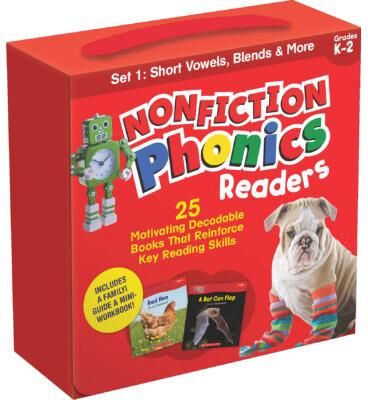
Nonfiction Phonics Readers SET 1: Short Vowels, Blends & MoreGive your child the tools to become a successful reader with this big collection of titles that target must-know concepts: short vowels, blends, plurals, and more. Each title features clear photos, just-right decodable text, and lively real-world...20,39 $*Shipping: 0,00 $Secure redirect to the provider
-
Nonfiction Phonics Readers SET 2: Long Vowels, Digraphs & MoreGive your child the tools to become a successful reader with this big collection of titles that target must-know concepts: long vowels, digraphs, two syllable words, and more. Each title features clear photos, just-right decodable text, and lively...20,39 $*Shipping: 0,00 $Secure redirect to the provider
-
Nonfiction Phonics Readers SET 3: R-Control, Variant Vowels & MoreReinforce must-know phonics concepts with this cutting-edge series of nonfiction books! Each title features simple decodable text paired with clear, colorful photos to maximize learning and fun. From birds to birthdays, fast cars to big sharks―all...20,39 $*Shipping: 0,00 $Secure redirect to the provider
-
What are stressed vowels and unstressed vowels?
Stressed vowels are vowels that are pronounced with more emphasis or force in a word, making them sound louder and longer. Unstressed vowels, on the other hand, are pronounced with less emphasis and are often shorter and softer in sound. The distinction between stressed and unstressed vowels is important in understanding the rhythm and flow of spoken language, as well as in determining the correct pronunciation of words. **
-
How many vowels are there?
There are five vowels in the English alphabet: A, E, I, O, and U. These letters are considered vowels because they represent sounds that are produced without any obstruction in the vocal tract. Vowels are essential in forming words and creating the sounds of speech. **
-
What are vowels and consonants?
Vowels are speech sounds produced with an open vocal tract, and they are the most sonorant and central elements of syllables. They are typically represented by the letters A, E, I, O, and U in the English alphabet. Consonants, on the other hand, are speech sounds produced by obstructing the airflow in the vocal tract. They are less sonorant than vowels and are typically represented by the remaining letters of the English alphabet. Together, vowels and consonants form the building blocks of spoken language. **
-
What are stressed and unstressed vowels?
Stressed vowels are pronounced with more emphasis and clarity, while unstressed vowels are pronounced with less emphasis and are often reduced in sound. In English, the length and quality of a vowel sound can change depending on whether it is stressed or unstressed in a word. Stressed vowels are typically longer and more pronounced, while unstressed vowels are often shorter and less distinct. Understanding the difference between stressed and unstressed vowels is important for correct pronunciation and word stress in English. **
Similar search terms for Vowels
-
Laugh a Lot Phonics Laugh-A-Lot Phonics: Long Vowels Parent PackLay the foundation for literacy success with this super-engaging set of highly decodable stories! Inside the bright box, you'll find 12 funny books that provide targeted practice with simple, long-vowel words plus a tip-filled parent guide,...23,99 $*Shipping: 0,00 $Secure redirect to the provider
-
Laugh a Lot Phonics Laugh-A-Lot Phonics: Short Vowels Parent PackGive children the tools they need to soar as readers with this irresistible set of highly decodable stories! Inside the bright box, you'll find 12 funny books that provide targeted practice with simple, short-vowel words plus a tip-filled parent...23,99 $*Shipping: 0,00 $Secure redirect to the provider
-
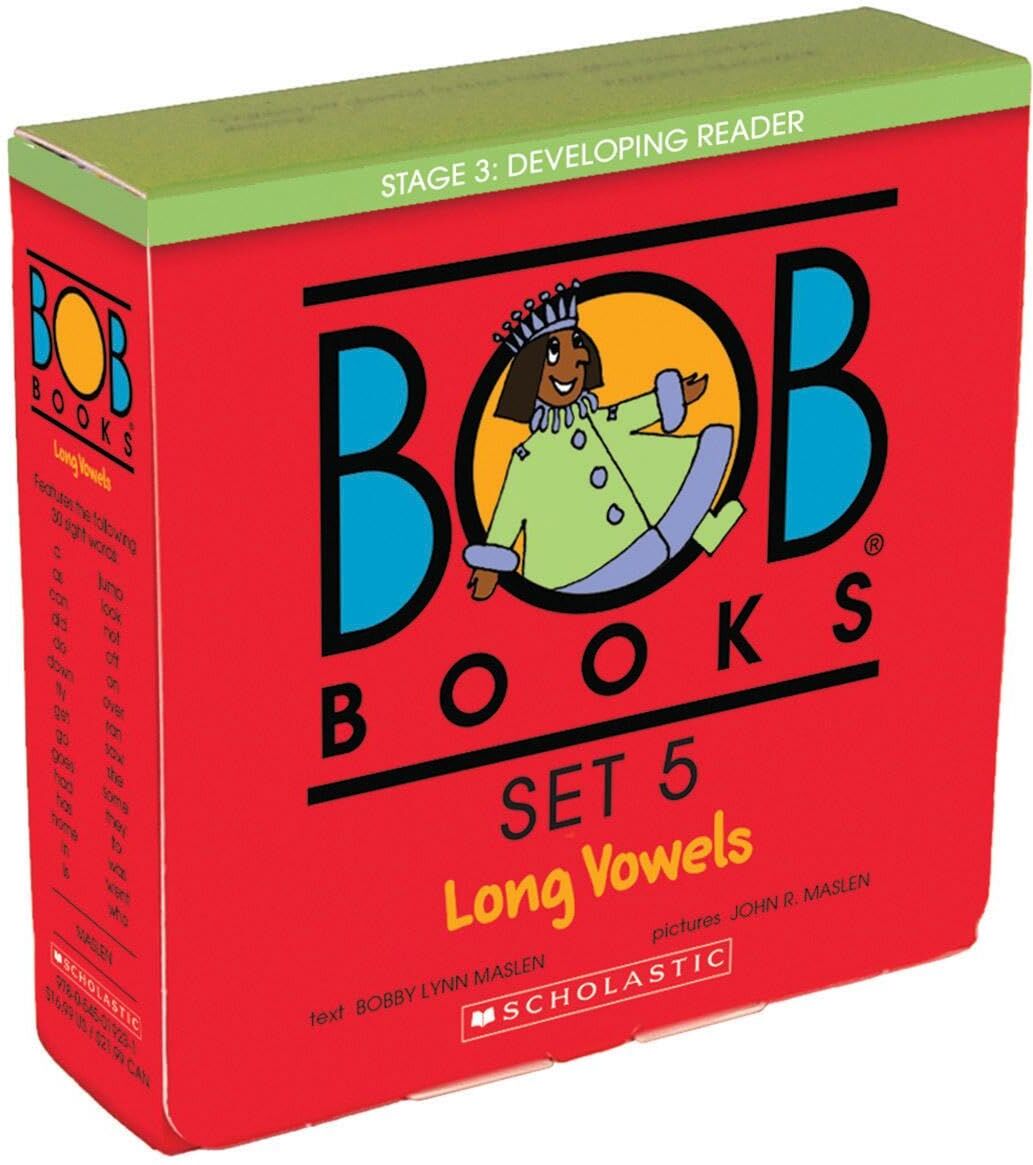
Scholastic Bob Books Set 5: Long Vowels (Stage 3: Developing Readers) 8 Books SetBox Set: 8 Books Ages: 6 to 7 Stage 3: Developing Readers Bob Books: Set 5 Long Vowels has the important role of teaching long vowels and the magic of the silent "e." By the time these books are finished, children should understand blending, diphthongs, combining syllables to form words, and reading sight words in context. Discussing the stories and pictures develops comprehension, making enthusiastic, happy readers. Inside the box you'll find: 8 books, 16-24 pages each Introduction of the magic, silent e Vowel combinations (such as oe, ai, ea) Up to 300 words per book9,79 £*Shipping: 2,99 £Secure redirect to the provider
-
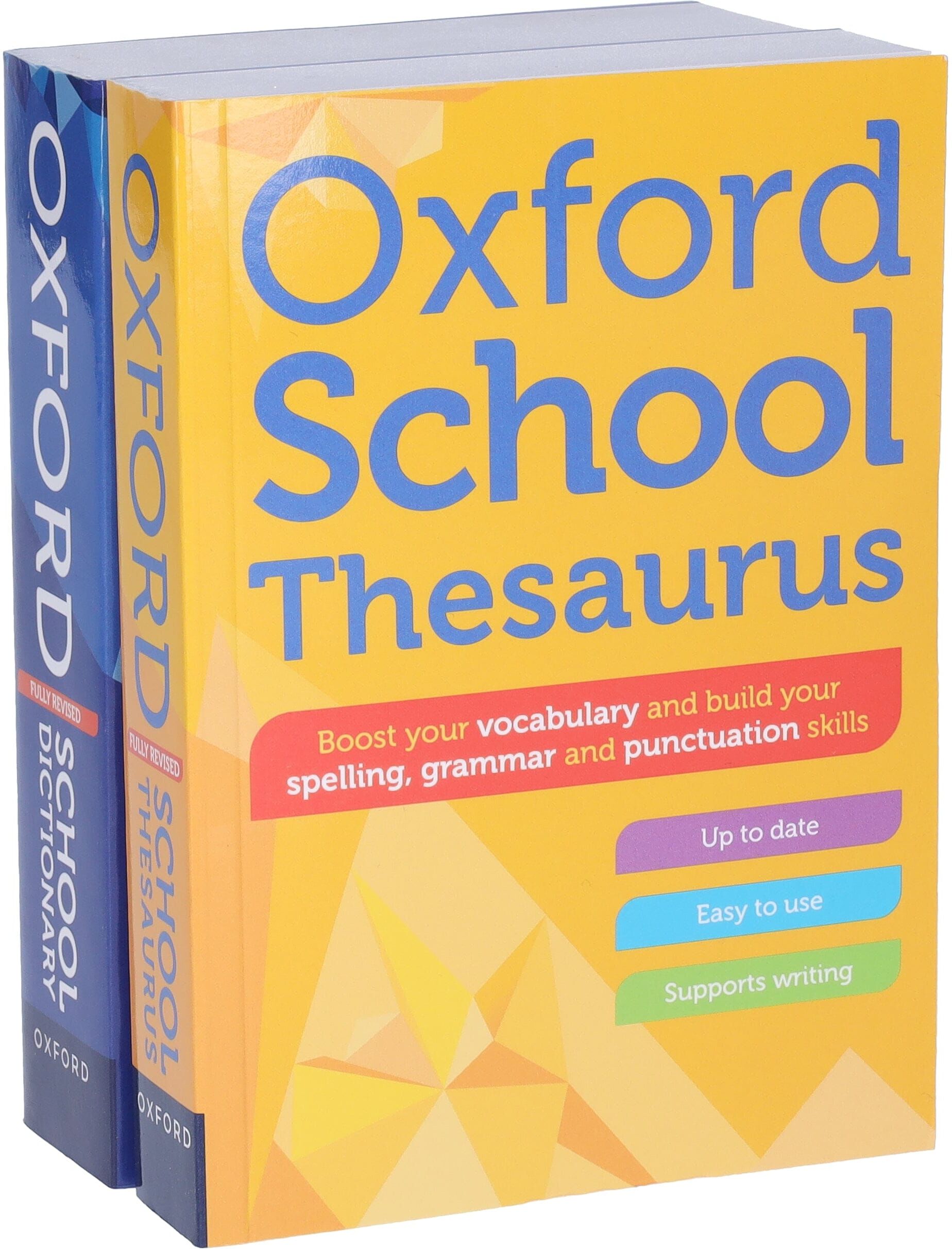
Oxford School Dictionary and Thesaurus 2 Books Collection Set - Non-Fiction - Paperback Oxford University PressThe Oxford School Dictionary and Thesaurus is an essential reference tool for students in primary and secondary education. The dictionary and thesaurus are combined into a single volume, making it an efficient and practical resource for students to use. The Oxford School Dictionary and Thesaurus is designed to provide young learners with the skills necessary to improve their reading and writing skills. The dictionary section of the book contains over 40,000 words, phrases, and definitions. The words are presented in alphabetical order, with clear and concise definitions that are easy for students to understand. Each entry includes a part of speech, a pronunciation guide, and example sentences to provide context for the word's usage. The dictionary also includes important information about word origins, prefixes, suffixes, and spelling rules to help students expand their vocabulary and language skills. One of the most significant benefits of the Oxford School Dictionary and Thesaurus is the inclusion of a thesaurus section. The thesaurus contains over 50,000 synonyms and antonyms, making it an invaluable tool for students looking to improve their writing skills. The thesaurus section is arranged in alphabetical order, making it easy for students to find the word they are looking for. The thesaurus also includes example sentences to provide context for the synonyms and antonyms and help students understand how to use them effectively. The Oxford School Dictionary and Thesaurus also include a range of additional features designed to support and enhance students' learning experience. The book contains a reference section with essential information on grammar, punctuation, and spelling. This section provides clear and concise explanations of essential language rules and guidelines, helping students to develop a strong foundation in English language skills. Another helpful feature of the Oxford School Dictionary and Thesaurus is the inclusion of word histories and language notes. These sections provide fascinating insights into the origins of words and how they have evolved over time. This information not only enhances students' understanding of language but also encourages an interest in language and its development. The Oxford School Dictionary and Thesaurus are designed with students in mind, with clear and easy-to-read text, helpful illustrations, and a durable hardback cover. The book is easy to navigate, with clear cross-referencing between the dictionary and thesaurus sections, making it a user-friendly tool for students to use. The Oxford School Dictionary and Thesaurus is an excellent resource for students of all ages and levels of ability. Whether students are just beginning to learn English or looking to improve their language skills, this book provides a wealth of information and support to help them achieve their goals. The book is particularly useful for students preparing for exams or assessments, as it provides essential information on...14,49 £*Shipping: 2,99 £Secure redirect to the provider
-
What are dark and light vowels?
Dark vowels are vowels that are pronounced with a lower tongue position and often have a more closed mouth shape, resulting in a deeper or more muffled sound. Examples of dark vowels include /ɔ/ as in "thought" and /ʌ/ as in "cup." Light vowels, on the other hand, are vowels that are pronounced with a higher tongue position and a more open mouth shape, resulting in a brighter or clearer sound. Examples of light vowels include /i/ as in "see" and /ɛ/ as in "bed." **
-
Why are ä ö ü vowels?
Ä, ö, and ü are considered vowels in languages such as German because they represent distinct sounds that are produced with an open vocal tract and without any significant constriction of the airflow. These sounds are typically produced with the mouth open and the tongue in a relatively neutral position. In the case of German, these characters represent specific vowel sounds that are distinct from the standard vowels a, e, i, o, and u. **
-
Why doesn't counting the vowels work?
Counting the vowels may not work because some words may have repeated vowels, making it difficult to accurately count them. Additionally, certain vowels may be combined to form a single sound, such as in the case of diphthongs. Furthermore, some languages may have different vowel sounds or additional vowels that may not be accounted for when simply counting the five standard vowels in English. **
-
What are rhymes with double vowels?
Rhymes with double vowels are words that have two consecutive vowels in their pronunciation. Examples include "rain," "boat," "feet," and "coin." These words create a musical and lyrical quality in poetry and song lyrics when they are used as rhymes. **
* All prices are inclusive of VAT and, if applicable, plus shipping costs. The offer information is based on the details provided by the respective shop and is updated through automated processes. Real-time updates do not occur, so deviations can occur in individual cases. ** Note: Parts of this content were created by AI.