Buy referencez.eu ?
We are moving the project
referencez.eu .
Are you interested in purchasing the domain
referencez.eu ?
domain@kv-gmbh.de · 0541-91531010
Buy referencez.eu ?
Can you give me a math problem about tides and low tides?
Sure! Here's a math problem about tides and low tides: The average high tide at a certain beach is 8 feet, and the average low tide is 2 feet. If the high tide occurs at 12:00 pm and the low tide occurs at 6:00 pm, how much time is there between the high tide and the low tide? **
Why are there two high tides and two low tides each day?
There are two high tides and two low tides each day because of the gravitational pull of the moon and the sun on the Earth. As the Earth rotates on its axis, different parts of the planet experience varying gravitational forces from the moon and sun, causing the water in the oceans to bulge outwards, creating high tides. As the Earth continues to rotate, the bulges move, causing two high tides and two low tides each day. **

Similar search terms for Tides
Top-Angebote
Products related to Tides:
-
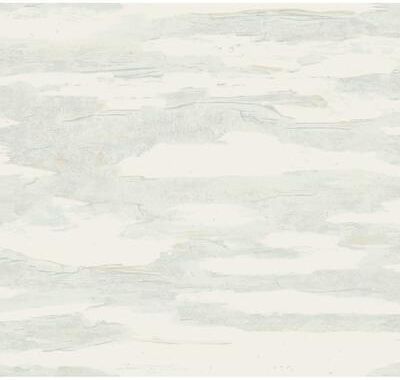
Candice Olson Artistic Coral Tides WallpaperArtistic Tides abstract colors and random drifting clouds of glass beads are an ode to the waves and dunes of desert and coastline as interpreted by a painter's romantic vision, shown in soft coral with misty grey.399,50 $*Shipping: 0,00 $Secure redirect to the provider
-
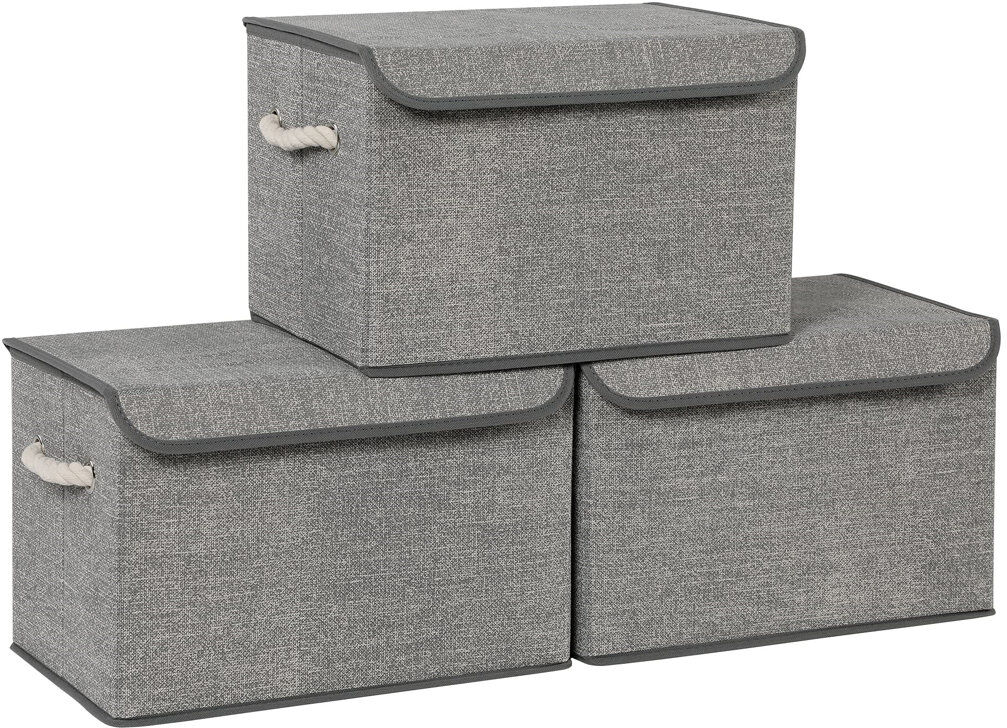
Longshore Tides Fabric Decorative Bin White;Gray【MULTI-PURPOSE ORGANIZER】— Utilize as closet organization storage baskets, kids room toy box, living room / bedroom laundry storage basket, pet toy basket & Bin, blanket basket, books and magazines organizer, bathroom clean towel storage, and many other uses. Longshore Tides46,99 £*Shipping: 4,99 £Secure redirect to the provider

-
Are there tides on Mars?
Yes, there are tides on Mars, but they are significantly different from Earth's tides. Mars experiences two types of tides - diurnal tides caused by the gravitational pull of the Martian moon Phobos, and semidiurnal tides caused by the gravitational pull of the Sun. These tides are much smaller in magnitude compared to Earth's tides due to Mars' smaller size and lower gravity. **
-
Can you explain the tides?
Tides are the rise and fall of sea levels caused by the gravitational pull of the moon and the sun on the Earth. The moon's gravitational pull is the primary force behind tides, as it causes the water on the side of the Earth facing the moon to bulge out, creating a high tide. At the same time, there is a high tide on the opposite side of the Earth due to the centrifugal force caused by the Earth and moon orbiting around their common center of mass. As the Earth rotates, locations experience two high tides and two low tides each day. The sun also has an influence on tides, but its effect is about half as strong as the moon's. **
-
Are there tides at Lake Garda?
No, Lake Garda does not experience tides like oceans do. Tides are primarily caused by the gravitational pull of the moon and sun on the Earth's oceans, and since Lake Garda is a freshwater lake, it is not affected by these tidal forces. The water levels at Lake Garda remain relatively stable throughout the day. **
-
How are the tides in Split?
The tides in Split are influenced by the Adriatic Sea, with two high tides and two low tides occurring each day. The tides in Split are generally not very extreme, with a typical range of around 1-2 meters. The timing and intensity of the tides can be affected by various factors such as the position of the moon, winds, and underwater topography. Overall, the tides in Split are relatively predictable and do not usually cause significant disruptions. **

How are tides formed, simply explained?
Tides are formed by the gravitational pull of the moon and the sun on the Earth's oceans. The moon's gravitational force causes the water on the side of the Earth closest to the moon to be pulled towards it, creating a high tide. At the same time, the water on the opposite side of the Earth is also pulled away from the Earth, creating another high tide. As the Earth rotates, different parts of the ocean experience high and low tides as the gravitational forces change. This creates the regular pattern of tides that we observe. **
Why are there no tides in lakes?
Tides are caused by the gravitational pull of the moon and the sun on the Earth's oceans. Since lakes are much smaller and shallower than oceans, the gravitational force from the moon and the sun is not strong enough to create noticeable tides in lakes. Additionally, the shape and size of lakes also play a role in the absence of tides, as the enclosed nature of lakes restricts the movement of water in response to gravitational forces. Therefore, the combination of size, depth, and enclosed nature of lakes results in the absence of tides in these bodies of water. **
Top-Angebote
Products related to Tides:
-
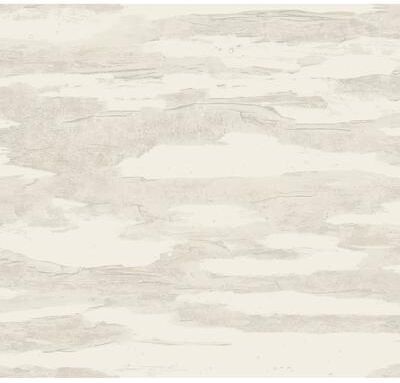
Candice Olson Artistic Spa Tides WallpaperArtistic Tides abstract colors and random drifting clouds of glass beads are an ode to the waves and dunes of desert and coastline as interpreted by a painter's romantic vision, shown in spa blue with beige.399,50 $*Shipping: 0,00 $Secure redirect to the provider
-
Candice Olson Artistic Coral Tides WallpaperArtistic Tides abstract colors and random drifting clouds of glass beads are an ode to the waves and dunes of desert and coastline as interpreted by a painter's romantic vision, shown in soft coral with misty grey.399,50 $*Shipping: 0,00 $Secure redirect to the provider
-
Can you give me a math problem about tides and low tides?
Sure! Here's a math problem about tides and low tides: The average high tide at a certain beach is 8 feet, and the average low tide is 2 feet. If the high tide occurs at 12:00 pm and the low tide occurs at 6:00 pm, how much time is there between the high tide and the low tide? **
-
Why are there two high tides and two low tides each day?
There are two high tides and two low tides each day because of the gravitational pull of the moon and the sun on the Earth. As the Earth rotates on its axis, different parts of the planet experience varying gravitational forces from the moon and sun, causing the water in the oceans to bulge outwards, creating high tides. As the Earth continues to rotate, the bulges move, causing two high tides and two low tides each day. **
-
Are there tides on Mars?
Yes, there are tides on Mars, but they are significantly different from Earth's tides. Mars experiences two types of tides - diurnal tides caused by the gravitational pull of the Martian moon Phobos, and semidiurnal tides caused by the gravitational pull of the Sun. These tides are much smaller in magnitude compared to Earth's tides due to Mars' smaller size and lower gravity. **
-
Can you explain the tides?
Tides are the rise and fall of sea levels caused by the gravitational pull of the moon and the sun on the Earth. The moon's gravitational pull is the primary force behind tides, as it causes the water on the side of the Earth facing the moon to bulge out, creating a high tide. At the same time, there is a high tide on the opposite side of the Earth due to the centrifugal force caused by the Earth and moon orbiting around their common center of mass. As the Earth rotates, locations experience two high tides and two low tides each day. The sun also has an influence on tides, but its effect is about half as strong as the moon's. **
Similar search terms for Tides
-
Longshore Tides Fabric Decorative Bin White;Gray【MULTI-PURPOSE ORGANIZER】— Utilize as closet organization storage baskets, kids room toy box, living room / bedroom laundry storage basket, pet toy basket & Bin, blanket basket, books and magazines organizer, bathroom clean towel storage, and many other uses. Longshore Tides46,99 £*Shipping: 4,99 £Secure redirect to the provider
-
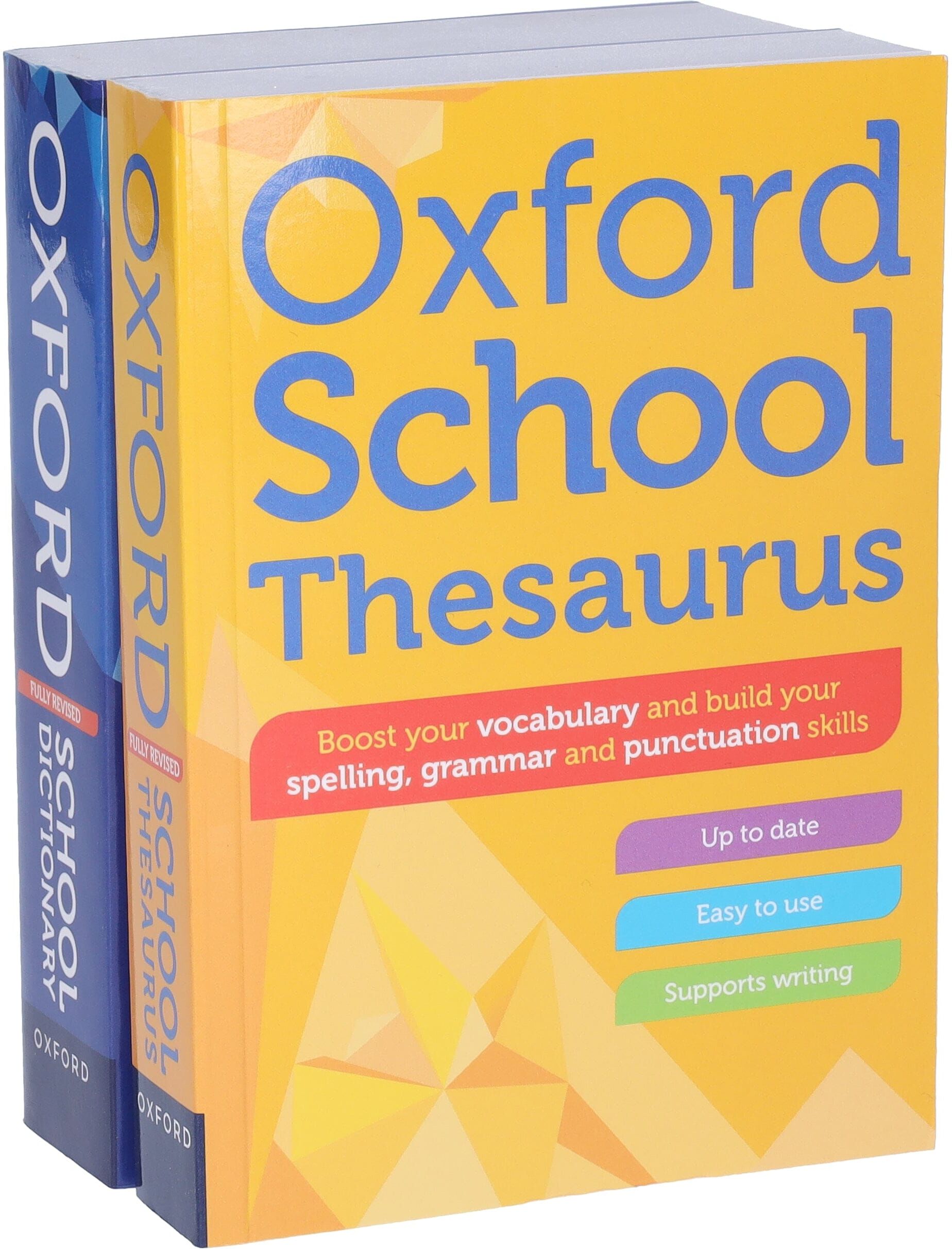
Oxford School Dictionary and Thesaurus 2 Books Collection Set - Non-Fiction - Paperback Oxford University PressThe Oxford School Dictionary and Thesaurus is an essential reference tool for students in primary and secondary education. The dictionary and thesaurus are combined into a single volume, making it an efficient and practical resource for students to use. The Oxford School Dictionary and Thesaurus is designed to provide young learners with the skills necessary to improve their reading and writing skills. The dictionary section of the book contains over 40,000 words, phrases, and definitions. The words are presented in alphabetical order, with clear and concise definitions that are easy for students to understand. Each entry includes a part of speech, a pronunciation guide, and example sentences to provide context for the word's usage. The dictionary also includes important information about word origins, prefixes, suffixes, and spelling rules to help students expand their vocabulary and language skills. One of the most significant benefits of the Oxford School Dictionary and Thesaurus is the inclusion of a thesaurus section. The thesaurus contains over 50,000 synonyms and antonyms, making it an invaluable tool for students looking to improve their writing skills. The thesaurus section is arranged in alphabetical order, making it easy for students to find the word they are looking for. The thesaurus also includes example sentences to provide context for the synonyms and antonyms and help students understand how to use them effectively. The Oxford School Dictionary and Thesaurus also include a range of additional features designed to support and enhance students' learning experience. The book contains a reference section with essential information on grammar, punctuation, and spelling. This section provides clear and concise explanations of essential language rules and guidelines, helping students to develop a strong foundation in English language skills. Another helpful feature of the Oxford School Dictionary and Thesaurus is the inclusion of word histories and language notes. These sections provide fascinating insights into the origins of words and how they have evolved over time. This information not only enhances students' understanding of language but also encourages an interest in language and its development. The Oxford School Dictionary and Thesaurus are designed with students in mind, with clear and easy-to-read text, helpful illustrations, and a durable hardback cover. The book is easy to navigate, with clear cross-referencing between the dictionary and thesaurus sections, making it a user-friendly tool for students to use. The Oxford School Dictionary and Thesaurus is an excellent resource for students of all ages and levels of ability. Whether students are just beginning to learn English or looking to improve their language skills, this book provides a wealth of information and support to help them achieve their goals. The book is particularly useful for students preparing for exams or assessments, as it provides essential information on...14,49 £*Shipping: 2,99 £Secure redirect to the provider
-
Are there tides at Lake Garda?
No, Lake Garda does not experience tides like oceans do. Tides are primarily caused by the gravitational pull of the moon and sun on the Earth's oceans, and since Lake Garda is a freshwater lake, it is not affected by these tidal forces. The water levels at Lake Garda remain relatively stable throughout the day. **
-
How are the tides in Split?
The tides in Split are influenced by the Adriatic Sea, with two high tides and two low tides occurring each day. The tides in Split are generally not very extreme, with a typical range of around 1-2 meters. The timing and intensity of the tides can be affected by various factors such as the position of the moon, winds, and underwater topography. Overall, the tides in Split are relatively predictable and do not usually cause significant disruptions. **
-
How are tides formed, simply explained?
Tides are formed by the gravitational pull of the moon and the sun on the Earth's oceans. The moon's gravitational force causes the water on the side of the Earth closest to the moon to be pulled towards it, creating a high tide. At the same time, the water on the opposite side of the Earth is also pulled away from the Earth, creating another high tide. As the Earth rotates, different parts of the ocean experience high and low tides as the gravitational forces change. This creates the regular pattern of tides that we observe. **
-
Why are there no tides in lakes?
Tides are caused by the gravitational pull of the moon and the sun on the Earth's oceans. Since lakes are much smaller and shallower than oceans, the gravitational force from the moon and the sun is not strong enough to create noticeable tides in lakes. Additionally, the shape and size of lakes also play a role in the absence of tides, as the enclosed nature of lakes restricts the movement of water in response to gravitational forces. Therefore, the combination of size, depth, and enclosed nature of lakes results in the absence of tides in these bodies of water. **
* All prices are inclusive of VAT and, if applicable, plus shipping costs. The offer information is based on the details provided by the respective shop and is updated through automated processes. Real-time updates do not occur, so deviations can occur in individual cases. ** Note: Parts of this content were created by AI.