Buy referencez.eu ?
We are moving the project
referencez.eu .
Are you interested in purchasing the domain
referencez.eu ?
domain@kv-gmbh.de · 0541-91531010
Buy referencez.eu ?
Cold or pollen?
It is difficult to determine whether symptoms are caused by a cold or pollen without a proper diagnosis. Both can cause similar symptoms such as sneezing, congestion, and a runny nose. However, colds are caused by viruses and can be contagious, while pollen allergies are triggered by the immune system's response to pollen particles. It is best to consult a healthcare professional for an accurate diagnosis and appropriate treatment. **
What is Novalis' pollen?
Novalis' pollen refers to the concept of the German Romantic poet and philosopher Novalis (Friedrich von Hardenberg) as a symbol of the transformative and life-giving power of nature. In his writings, Novalis used the image of pollen to represent the vital force that connects all living beings and sustains the cycle of life. This concept reflects his deep reverence for nature and its role in the spiritual and creative life of humanity. **
Similar search terms for Pollen
Top-Angebote
Products related to Pollen:


-
Do grasses produce pollen?
Yes, grasses do produce pollen. Grasses are flowering plants and their reproductive structures include male parts called stamens, which produce pollen. This pollen is released into the air and is carried by the wind to fertilize the female parts of the grass, leading to the production of seeds. This process is part of the grasses' reproductive cycle and is essential for their survival and propagation. **
-
Why do pollen plants stay?
Pollen plants stay in one place because they are rooted to the ground and rely on wind, insects, or other animals to carry their pollen to other plants for reproduction. This stationary nature allows them to establish a stable root system and efficiently absorb nutrients from the soil. By staying in one place, pollen plants can also maximize their exposure to sunlight, which is essential for photosynthesis and overall growth. **
-
Why do pollen plants remain?
Pollen plants remain because they play a crucial role in the reproductive process of many plant species. They produce pollen, which contains the male gametes necessary for fertilizing the female gametes in the plant's reproductive organs. This fertilization process leads to the production of seeds, which are essential for the survival and propagation of the plant species. Without pollen plants, many plant species would not be able to reproduce and would eventually die out. Therefore, pollen plants remain to ensure the continuation of plant life. **
-
Is this a pollen allergy?
Without more information, it is difficult to determine if the symptoms are due to a pollen allergy. Pollen allergies typically present with symptoms such as sneezing, runny nose, itchy eyes, and congestion during specific times of the year when certain plants are in bloom. It is important to consult with a healthcare professional to receive a proper diagnosis and treatment plan for any allergy symptoms. **


What helps against pollen allergies?
To alleviate pollen allergies, individuals can take several steps to reduce their exposure to pollen. This includes keeping windows closed during high pollen seasons, using air purifiers with HEPA filters, and regularly cleaning or replacing air filters in the home. Additionally, wearing sunglasses and a hat when outdoors can help prevent pollen from coming into contact with the eyes and hair. Over-the-counter antihistamines and nasal corticosteroid sprays can also provide relief from allergy symptoms. **
What is pollen or from insects?
Pollen is a fine powder produced by the male reproductive organs of flowering plants. It is essential for the fertilization of plants and is often carried by the wind or insects to reach the female reproductive organs of other plants. Insects, such as bees and butterflies, play a crucial role in the pollination process by transferring pollen from one flower to another as they collect nectar. This process is vital for the reproduction and survival of many plant species. **
Top-Angebote
Products related to Pollen:
-
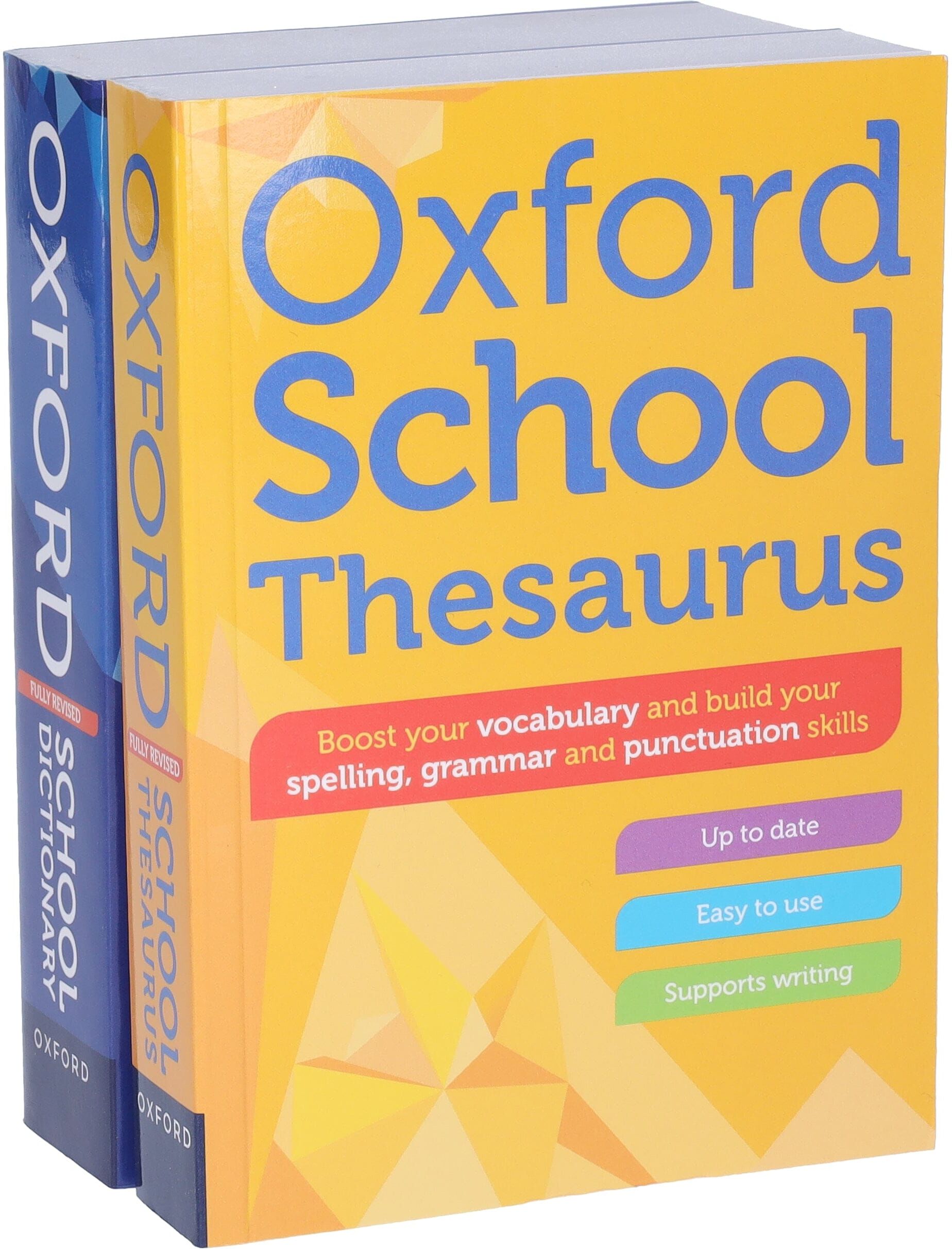
Oxford School Dictionary and Thesaurus 2 Books Collection Set - Non-Fiction - Paperback Oxford University PressThe Oxford School Dictionary and Thesaurus is an essential reference tool for students in primary and secondary education. The dictionary and thesaurus are combined into a single volume, making it an efficient and practical resource for students to use. The Oxford School Dictionary and Thesaurus is designed to provide young learners with the skills necessary to improve their reading and writing skills. The dictionary section of the book contains over 40,000 words, phrases, and definitions. The words are presented in alphabetical order, with clear and concise definitions that are easy for students to understand. Each entry includes a part of speech, a pronunciation guide, and example sentences to provide context for the word's usage. The dictionary also includes important information about word origins, prefixes, suffixes, and spelling rules to help students expand their vocabulary and language skills. One of the most significant benefits of the Oxford School Dictionary and Thesaurus is the inclusion of a thesaurus section. The thesaurus contains over 50,000 synonyms and antonyms, making it an invaluable tool for students looking to improve their writing skills. The thesaurus section is arranged in alphabetical order, making it easy for students to find the word they are looking for. The thesaurus also includes example sentences to provide context for the synonyms and antonyms and help students understand how to use them effectively. The Oxford School Dictionary and Thesaurus also include a range of additional features designed to support and enhance students' learning experience. The book contains a reference section with essential information on grammar, punctuation, and spelling. This section provides clear and concise explanations of essential language rules and guidelines, helping students to develop a strong foundation in English language skills. Another helpful feature of the Oxford School Dictionary and Thesaurus is the inclusion of word histories and language notes. These sections provide fascinating insights into the origins of words and how they have evolved over time. This information not only enhances students' understanding of language but also encourages an interest in language and its development. The Oxford School Dictionary and Thesaurus are designed with students in mind, with clear and easy-to-read text, helpful illustrations, and a durable hardback cover. The book is easy to navigate, with clear cross-referencing between the dictionary and thesaurus sections, making it a user-friendly tool for students to use. The Oxford School Dictionary and Thesaurus is an excellent resource for students of all ages and levels of ability. Whether students are just beginning to learn English or looking to improve their language skills, this book provides a wealth of information and support to help them achieve their goals. The book is particularly useful for students preparing for exams or assessments, as it provides essential information on...14,49 £*Shipping: 2,99 £Secure redirect to the provider
-
Cold or pollen?
It is difficult to determine whether symptoms are caused by a cold or pollen without a proper diagnosis. Both can cause similar symptoms such as sneezing, congestion, and a runny nose. However, colds are caused by viruses and can be contagious, while pollen allergies are triggered by the immune system's response to pollen particles. It is best to consult a healthcare professional for an accurate diagnosis and appropriate treatment. **
-
What is Novalis' pollen?
Novalis' pollen refers to the concept of the German Romantic poet and philosopher Novalis (Friedrich von Hardenberg) as a symbol of the transformative and life-giving power of nature. In his writings, Novalis used the image of pollen to represent the vital force that connects all living beings and sustains the cycle of life. This concept reflects his deep reverence for nature and its role in the spiritual and creative life of humanity. **
-
Do grasses produce pollen?
Yes, grasses do produce pollen. Grasses are flowering plants and their reproductive structures include male parts called stamens, which produce pollen. This pollen is released into the air and is carried by the wind to fertilize the female parts of the grass, leading to the production of seeds. This process is part of the grasses' reproductive cycle and is essential for their survival and propagation. **
-
Why do pollen plants stay?
Pollen plants stay in one place because they are rooted to the ground and rely on wind, insects, or other animals to carry their pollen to other plants for reproduction. This stationary nature allows them to establish a stable root system and efficiently absorb nutrients from the soil. By staying in one place, pollen plants can also maximize their exposure to sunlight, which is essential for photosynthesis and overall growth. **
Similar search terms for Pollen
-
Why do pollen plants remain?
Pollen plants remain because they play a crucial role in the reproductive process of many plant species. They produce pollen, which contains the male gametes necessary for fertilizing the female gametes in the plant's reproductive organs. This fertilization process leads to the production of seeds, which are essential for the survival and propagation of the plant species. Without pollen plants, many plant species would not be able to reproduce and would eventually die out. Therefore, pollen plants remain to ensure the continuation of plant life. **
-
Is this a pollen allergy?
Without more information, it is difficult to determine if the symptoms are due to a pollen allergy. Pollen allergies typically present with symptoms such as sneezing, runny nose, itchy eyes, and congestion during specific times of the year when certain plants are in bloom. It is important to consult with a healthcare professional to receive a proper diagnosis and treatment plan for any allergy symptoms. **
-
What helps against pollen allergies?
To alleviate pollen allergies, individuals can take several steps to reduce their exposure to pollen. This includes keeping windows closed during high pollen seasons, using air purifiers with HEPA filters, and regularly cleaning or replacing air filters in the home. Additionally, wearing sunglasses and a hat when outdoors can help prevent pollen from coming into contact with the eyes and hair. Over-the-counter antihistamines and nasal corticosteroid sprays can also provide relief from allergy symptoms. **
-
What is pollen or from insects?
Pollen is a fine powder produced by the male reproductive organs of flowering plants. It is essential for the fertilization of plants and is often carried by the wind or insects to reach the female reproductive organs of other plants. Insects, such as bees and butterflies, play a crucial role in the pollination process by transferring pollen from one flower to another as they collect nectar. This process is vital for the reproduction and survival of many plant species. **
* All prices are inclusive of VAT and, if applicable, plus shipping costs. The offer information is based on the details provided by the respective shop and is updated through automated processes. Real-time updates do not occur, so deviations can occur in individual cases. ** Note: Parts of this content were created by AI.