Buy referencez.eu ?
We are moving the project
referencez.eu .
Are you interested in purchasing the domain
referencez.eu ?
domain@kv-gmbh.de · 0541-91531010
Buy referencez.eu ?
Why is organic chemistry called organic chemistry?
Organic chemistry is called so because it was originally believed that compounds found in living organisms could only be produced by living organisms, and were therefore called "organic" compounds. This belief was later disproven, but the name stuck. Organic chemistry is the study of carbon-containing compounds, which are abundant in living organisms, and it focuses on the structure, properties, and reactions of these compounds. **
What is the Bertelsmann Encyclopedia and Atlas?
The Bertelsmann Encyclopedia and Atlas is a comprehensive reference work that combines an encyclopedia with an atlas. It provides detailed information on a wide range of topics, including history, geography, science, and culture. The atlas section includes maps and geographical information, making it a valuable resource for students, researchers, and anyone seeking in-depth knowledge on various subjects. The Bertelsmann Encyclopedia and Atlas is known for its accuracy, reliability, and user-friendly format. **
Similar search terms for Organic
Top-Angebote
Products related to Organic:




-
What is the difference between organic and non-organic?
Organic products are grown and produced without the use of synthetic pesticides, fertilizers, or genetically modified organisms. They also do not contain artificial preservatives or additives. Non-organic products, on the other hand, may contain synthetic chemicals and pesticides, and are often produced using genetically modified organisms. Organic farming practices also focus on sustainability and environmental conservation, while non-organic farming may have a greater impact on the environment. **
-
Is organic meat still unhealthy, even if it's organic?
Organic meat is generally considered to be healthier than conventionally raised meat because it is produced without the use of synthetic pesticides, hormones, or antibiotics. However, it is still important to consume organic meat in moderation and as part of a balanced diet. Organic meat can still be high in saturated fat and cholesterol, so it is important to consider portion sizes and overall dietary choices. Additionally, the way the meat is prepared and cooked can also impact its healthfulness. **
-
'Psychological or organic?'
When determining the cause of a particular symptom or condition, it is important to consider whether it is psychological or organic in nature. Psychological issues are related to mental and emotional factors, such as stress, trauma, or mood disorders, while organic issues are related to physical factors, such as genetics, hormones, or brain chemistry. It is important to consider both possibilities and seek professional help to accurately diagnose and address the underlying cause. Sometimes, symptoms may have both psychological and organic components, requiring a comprehensive approach to treatment. **
-
Is organic sustainable?
Organic farming practices can be more sustainable than conventional methods in terms of reducing chemical inputs, promoting biodiversity, and improving soil health. However, there are challenges to the scalability and efficiency of organic farming, which can impact its overall sustainability. For example, organic farming typically requires more land and labor to produce the same amount of food as conventional methods, which can limit its ability to meet global food demand. Additionally, the transportation and distribution of organic products can have a higher environmental impact due to their shorter shelf life and the need for refrigeration. Overall, while organic farming has many sustainable benefits, there are also limitations to its long-term sustainability on a large scale. **


Do you prefer to buy organic or non-organic products?
As an AI, I do not have personal preferences. However, some people prefer to buy organic products because they believe they are healthier and better for the environment. On the other hand, others may choose non-organic products due to cost considerations or lack of availability of organic options. Ultimately, the choice between organic and non-organic products depends on individual values and priorities. **
What is the difference between organic construction and organic architecture?
Organic construction refers to the use of natural materials and sustainable building practices in the construction process. On the other hand, organic architecture is a design philosophy that seeks to integrate buildings harmoniously with their natural surroundings, often using organic forms and principles inspired by nature. While organic construction focuses on the materials and methods used in building, organic architecture is more about the overall design approach and aesthetic of the structure. **
Top-Angebote
Products related to Organic:
-
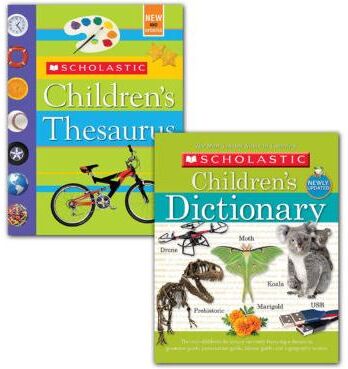
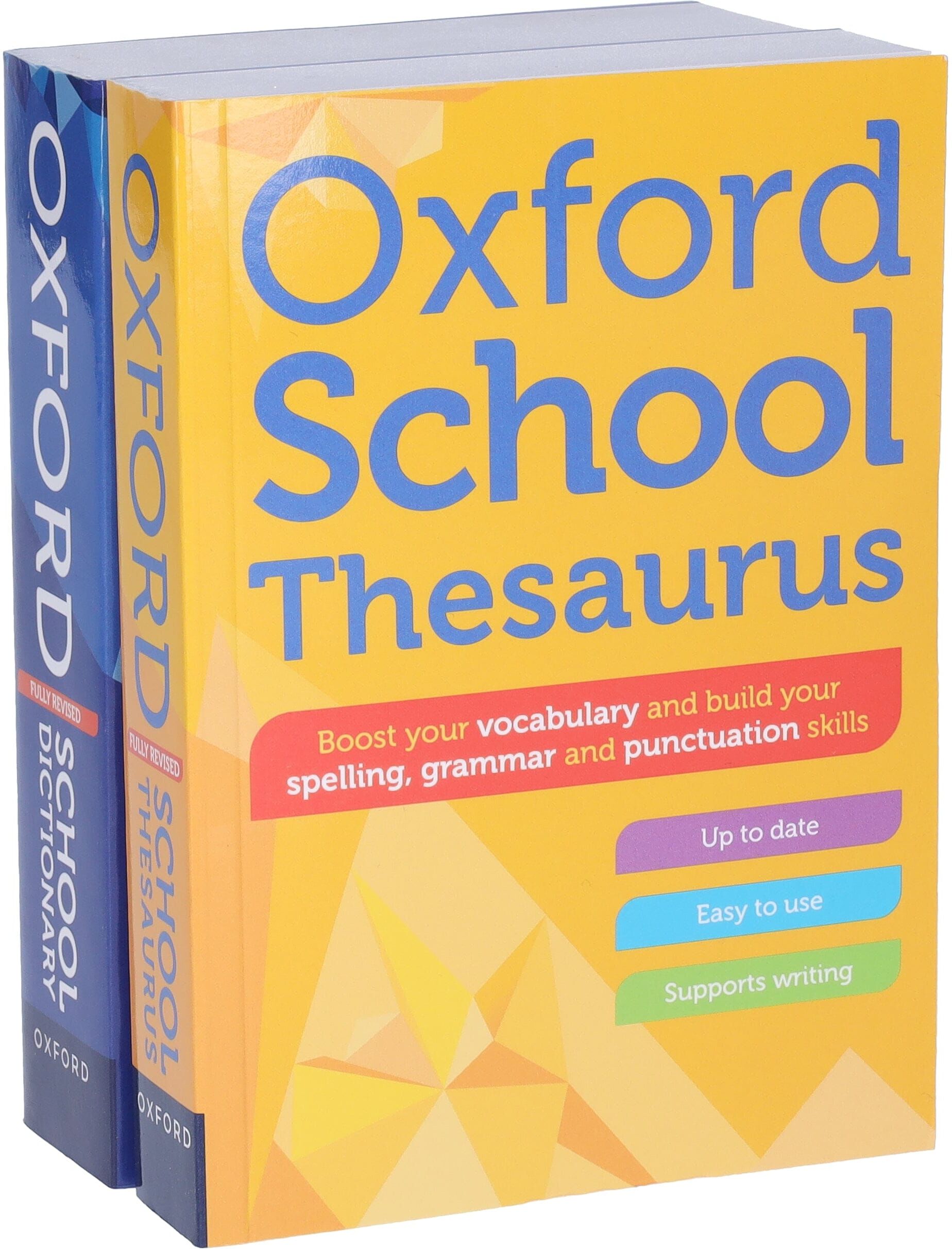
Oxford School Dictionary and Thesaurus 2 Books Collection Set - Non-Fiction - Paperback Oxford University PressThe Oxford School Dictionary and Thesaurus is an essential reference tool for students in primary and secondary education. The dictionary and thesaurus are combined into a single volume, making it an efficient and practical resource for students to use. The Oxford School Dictionary and Thesaurus is designed to provide young learners with the skills necessary to improve their reading and writing skills. The dictionary section of the book contains over 40,000 words, phrases, and definitions. The words are presented in alphabetical order, with clear and concise definitions that are easy for students to understand. Each entry includes a part of speech, a pronunciation guide, and example sentences to provide context for the word's usage. The dictionary also includes important information about word origins, prefixes, suffixes, and spelling rules to help students expand their vocabulary and language skills. One of the most significant benefits of the Oxford School Dictionary and Thesaurus is the inclusion of a thesaurus section. The thesaurus contains over 50,000 synonyms and antonyms, making it an invaluable tool for students looking to improve their writing skills. The thesaurus section is arranged in alphabetical order, making it easy for students to find the word they are looking for. The thesaurus also includes example sentences to provide context for the synonyms and antonyms and help students understand how to use them effectively. The Oxford School Dictionary and Thesaurus also include a range of additional features designed to support and enhance students' learning experience. The book contains a reference section with essential information on grammar, punctuation, and spelling. This section provides clear and concise explanations of essential language rules and guidelines, helping students to develop a strong foundation in English language skills. Another helpful feature of the Oxford School Dictionary and Thesaurus is the inclusion of word histories and language notes. These sections provide fascinating insights into the origins of words and how they have evolved over time. This information not only enhances students' understanding of language but also encourages an interest in language and its development. The Oxford School Dictionary and Thesaurus are designed with students in mind, with clear and easy-to-read text, helpful illustrations, and a durable hardback cover. The book is easy to navigate, with clear cross-referencing between the dictionary and thesaurus sections, making it a user-friendly tool for students to use. The Oxford School Dictionary and Thesaurus is an excellent resource for students of all ages and levels of ability. Whether students are just beginning to learn English or looking to improve their language skills, this book provides a wealth of information and support to help them achieve their goals. The book is particularly useful for students preparing for exams or assessments, as it provides essential information on...14,49 £*Shipping: 2,99 £Secure redirect to the provider
-
Why is organic chemistry called organic chemistry?
Organic chemistry is called so because it was originally believed that compounds found in living organisms could only be produced by living organisms, and were therefore called "organic" compounds. This belief was later disproven, but the name stuck. Organic chemistry is the study of carbon-containing compounds, which are abundant in living organisms, and it focuses on the structure, properties, and reactions of these compounds. **
-
What is the Bertelsmann Encyclopedia and Atlas?
The Bertelsmann Encyclopedia and Atlas is a comprehensive reference work that combines an encyclopedia with an atlas. It provides detailed information on a wide range of topics, including history, geography, science, and culture. The atlas section includes maps and geographical information, making it a valuable resource for students, researchers, and anyone seeking in-depth knowledge on various subjects. The Bertelsmann Encyclopedia and Atlas is known for its accuracy, reliability, and user-friendly format. **
-
What is the difference between organic and non-organic?
Organic products are grown and produced without the use of synthetic pesticides, fertilizers, or genetically modified organisms. They also do not contain artificial preservatives or additives. Non-organic products, on the other hand, may contain synthetic chemicals and pesticides, and are often produced using genetically modified organisms. Organic farming practices also focus on sustainability and environmental conservation, while non-organic farming may have a greater impact on the environment. **
-
Is organic meat still unhealthy, even if it's organic?
Organic meat is generally considered to be healthier than conventionally raised meat because it is produced without the use of synthetic pesticides, hormones, or antibiotics. However, it is still important to consume organic meat in moderation and as part of a balanced diet. Organic meat can still be high in saturated fat and cholesterol, so it is important to consider portion sizes and overall dietary choices. Additionally, the way the meat is prepared and cooked can also impact its healthfulness. **
Similar search terms for Organic
-
'Psychological or organic?'
When determining the cause of a particular symptom or condition, it is important to consider whether it is psychological or organic in nature. Psychological issues are related to mental and emotional factors, such as stress, trauma, or mood disorders, while organic issues are related to physical factors, such as genetics, hormones, or brain chemistry. It is important to consider both possibilities and seek professional help to accurately diagnose and address the underlying cause. Sometimes, symptoms may have both psychological and organic components, requiring a comprehensive approach to treatment. **
-
Is organic sustainable?
Organic farming practices can be more sustainable than conventional methods in terms of reducing chemical inputs, promoting biodiversity, and improving soil health. However, there are challenges to the scalability and efficiency of organic farming, which can impact its overall sustainability. For example, organic farming typically requires more land and labor to produce the same amount of food as conventional methods, which can limit its ability to meet global food demand. Additionally, the transportation and distribution of organic products can have a higher environmental impact due to their shorter shelf life and the need for refrigeration. Overall, while organic farming has many sustainable benefits, there are also limitations to its long-term sustainability on a large scale. **
-
Do you prefer to buy organic or non-organic products?
As an AI, I do not have personal preferences. However, some people prefer to buy organic products because they believe they are healthier and better for the environment. On the other hand, others may choose non-organic products due to cost considerations or lack of availability of organic options. Ultimately, the choice between organic and non-organic products depends on individual values and priorities. **
-
What is the difference between organic construction and organic architecture?
Organic construction refers to the use of natural materials and sustainable building practices in the construction process. On the other hand, organic architecture is a design philosophy that seeks to integrate buildings harmoniously with their natural surroundings, often using organic forms and principles inspired by nature. While organic construction focuses on the materials and methods used in building, organic architecture is more about the overall design approach and aesthetic of the structure. **
* All prices are inclusive of VAT and, if applicable, plus shipping costs. The offer information is based on the details provided by the respective shop and is updated through automated processes. Real-time updates do not occur, so deviations can occur in individual cases. ** Note: Parts of this content were created by AI.