Buy referencez.eu ?
We are moving the project
referencez.eu .
Are you interested in purchasing the domain
referencez.eu ?
domain@kv-gmbh.de · 0541-91531010
Buy referencez.eu ?
Which metals are ferrous metals?
Ferrous metals are metals that contain iron, such as steel and cast iron. These metals are known for their strength and durability, making them commonly used in construction, manufacturing, and automotive industries. Ferrous metals are also magnetic and have good conductivity, making them versatile for various applications. **
Why can base metals precipitate noble metals?
Base metals can precipitate noble metals through a process called cementation. This occurs because base metals have a higher reactivity compared to noble metals. When a base metal is in contact with a solution containing a noble metal ion, the base metal will oxidize and release electrons, causing the noble metal ion to be reduced and form a solid precipitate on the surface of the base metal. This allows for the separation and recovery of noble metals from a solution containing a mixture of different metals. **

Similar search terms for Metals
Top-Angebote
Products related to Metals:
-
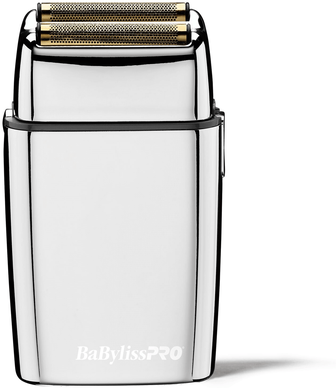
BaBylissPRO Silver Metals Cordless Metal Single Foil ShaverProfessional, full-size metal foil shaver equipped with a powerful rotary motor.A great tool for an extra-close shave on the neck, face, and all around the hairline. Clipper and Trimmer Sales are Final*69,99 $*Shipping: 0,00 $Secure redirect to the provider
-
BaBylissPRO Silver Metals Cordless Metal Double Foil ShaverProfessional, full-size metal foil shaver equipped with a powerful rotary motor. A great tool for an extra-close shave on the neck, face, and all around the hairline.Replacement Blade for FXFS1Clipper and Trimmer Sales are Final*149,99 $*Shipping: 0,00 $Secure redirect to the provider
-
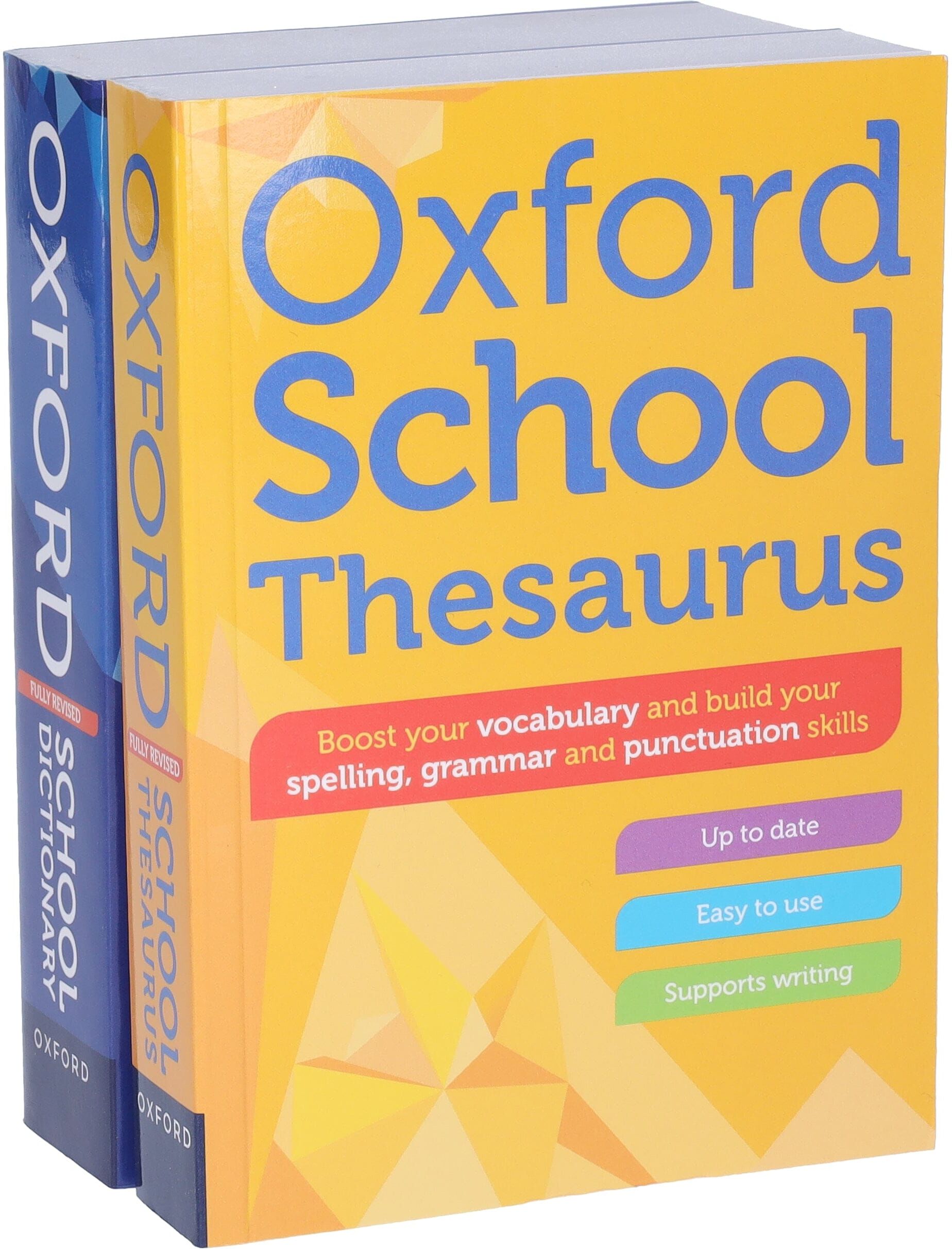
Oxford School Dictionary and Thesaurus 2 Books Collection Set - Non-Fiction - Paperback Oxford University PressThe Oxford School Dictionary and Thesaurus is an essential reference tool for students in primary and secondary education. The dictionary and thesaurus are combined into a single volume, making it an efficient and practical resource for students to use. The Oxford School Dictionary and Thesaurus is designed to provide young learners with the skills necessary to improve their reading and writing skills. The dictionary section of the book contains over 40,000 words, phrases, and definitions. The words are presented in alphabetical order, with clear and concise definitions that are easy for students to understand. Each entry includes a part of speech, a pronunciation guide, and example sentences to provide context for the word's usage. The dictionary also includes important information about word origins, prefixes, suffixes, and spelling rules to help students expand their vocabulary and language skills. One of the most significant benefits of the Oxford School Dictionary and Thesaurus is the inclusion of a thesaurus section. The thesaurus contains over 50,000 synonyms and antonyms, making it an invaluable tool for students looking to improve their writing skills. The thesaurus section is arranged in alphabetical order, making it easy for students to find the word they are looking for. The thesaurus also includes example sentences to provide context for the synonyms and antonyms and help students understand how to use them effectively. The Oxford School Dictionary and Thesaurus also include a range of additional features designed to support and enhance students' learning experience. The book contains a reference section with essential information on grammar, punctuation, and spelling. This section provides clear and concise explanations of essential language rules and guidelines, helping students to develop a strong foundation in English language skills. Another helpful feature of the Oxford School Dictionary and Thesaurus is the inclusion of word histories and language notes. These sections provide fascinating insights into the origins of words and how they have evolved over time. This information not only enhances students' understanding of language but also encourages an interest in language and its development. The Oxford School Dictionary and Thesaurus are designed with students in mind, with clear and easy-to-read text, helpful illustrations, and a durable hardback cover. The book is easy to navigate, with clear cross-referencing between the dictionary and thesaurus sections, making it a user-friendly tool for students to use. The Oxford School Dictionary and Thesaurus is an excellent resource for students of all ages and levels of ability. Whether students are just beginning to learn English or looking to improve their language skills, this book provides a wealth of information and support to help them achieve their goals. The book is particularly useful for students preparing for exams or assessments, as it provides essential information on...14,49 £*Shipping: 2,99 £Secure redirect to the provider


-
What are precious metals and base metals?
Precious metals are rare, naturally occurring metallic elements that have high economic value. Examples of precious metals include gold, silver, and platinum. These metals are often used in jewelry, investment, and industrial applications. On the other hand, base metals are more common metallic elements that are not as valuable as precious metals. Examples of base metals include copper, zinc, and nickel. These metals are widely used in construction, manufacturing, and electrical applications. **
-
Why are alkali metals called alkali metals?
Alkali metals are called alkali metals because they form alkaline solutions when they react with water. When alkali metals such as lithium, sodium, and potassium come into contact with water, they produce hydroxide ions, which make the solution alkaline. This property of forming alkaline solutions is the reason why they are called alkali metals. **
-
What is the Bertelsmann Encyclopedia and Atlas?
The Bertelsmann Encyclopedia and Atlas is a comprehensive reference work that combines an encyclopedia with an atlas. It provides detailed information on a wide range of topics, including history, geography, science, and culture. The atlas section includes maps and geographical information, making it a valuable resource for students, researchers, and anyone seeking in-depth knowledge on various subjects. The Bertelsmann Encyclopedia and Atlas is known for its accuracy, reliability, and user-friendly format. **
-
Why are all elements of the transition metals metals?
All elements of the transition metals are metals because they share common characteristics such as being good conductors of heat and electricity, having high melting and boiling points, and being malleable and ductile. These properties are due to the presence of loosely held electrons in their outermost energy levels, which allows them to easily lose electrons and form positive ions. Transition metals also have a high density and luster, further contributing to their classification as metals. **

Can metals burn?
Yes, metals can burn under certain conditions. When exposed to high enough temperatures, some metals can react with oxygen in the air and undergo a process called combustion, resulting in the formation of metal oxides and the release of heat and light. For example, magnesium and titanium are known to burn in air when heated to high temperatures. However, not all metals are easily combustible, and the conditions required for them to burn vary depending on the specific metal. **
What are the differences between alkali metals and alkaline earth metals?
Alkali metals and alkaline earth metals are both groups of elements found in the periodic table. Alkali metals are located in group 1 and include elements like lithium, sodium, and potassium, while alkaline earth metals are located in group 2 and include elements like beryllium, magnesium, and calcium. One key difference between the two groups is their reactivity - alkali metals are more reactive than alkaline earth metals. Additionally, alkali metals have one electron in their outermost shell, while alkaline earth metals have two electrons in their outermost shell. **
Top-Angebote
Products related to Metals:
-
BaBylissPRO Silver Metals Cordless ClipperSilver Metals Cordless Clipper is a cord/cordless lithium clipper, equipped with a high torque brushless engine. A perfect tool for cutting all hair textures with power, speed and precision. Clipper and Trimmer Sales are Final*249,99 $*Shipping: 0,00 $Secure redirect to the provider
-
BaBylissPRO Silver Metals Cordless Metal Single Foil ShaverProfessional, full-size metal foil shaver equipped with a powerful rotary motor.A great tool for an extra-close shave on the neck, face, and all around the hairline. Clipper and Trimmer Sales are Final*69,99 $*Shipping: 0,00 $Secure redirect to the provider
-
BaBylissPRO Silver Metals Cordless Metal Double Foil ShaverProfessional, full-size metal foil shaver equipped with a powerful rotary motor. A great tool for an extra-close shave on the neck, face, and all around the hairline.Replacement Blade for FXFS1Clipper and Trimmer Sales are Final*149,99 $*Shipping: 0,00 $Secure redirect to the provider
-
Which metals are ferrous metals?
Ferrous metals are metals that contain iron, such as steel and cast iron. These metals are known for their strength and durability, making them commonly used in construction, manufacturing, and automotive industries. Ferrous metals are also magnetic and have good conductivity, making them versatile for various applications. **
-
Why can base metals precipitate noble metals?
Base metals can precipitate noble metals through a process called cementation. This occurs because base metals have a higher reactivity compared to noble metals. When a base metal is in contact with a solution containing a noble metal ion, the base metal will oxidize and release electrons, causing the noble metal ion to be reduced and form a solid precipitate on the surface of the base metal. This allows for the separation and recovery of noble metals from a solution containing a mixture of different metals. **
-
What are precious metals and base metals?
Precious metals are rare, naturally occurring metallic elements that have high economic value. Examples of precious metals include gold, silver, and platinum. These metals are often used in jewelry, investment, and industrial applications. On the other hand, base metals are more common metallic elements that are not as valuable as precious metals. Examples of base metals include copper, zinc, and nickel. These metals are widely used in construction, manufacturing, and electrical applications. **
-
Why are alkali metals called alkali metals?
Alkali metals are called alkali metals because they form alkaline solutions when they react with water. When alkali metals such as lithium, sodium, and potassium come into contact with water, they produce hydroxide ions, which make the solution alkaline. This property of forming alkaline solutions is the reason why they are called alkali metals. **
Similar search terms for Metals
-
Oxford School Dictionary and Thesaurus 2 Books Collection Set - Non-Fiction - Paperback Oxford University PressThe Oxford School Dictionary and Thesaurus is an essential reference tool for students in primary and secondary education. The dictionary and thesaurus are combined into a single volume, making it an efficient and practical resource for students to use. The Oxford School Dictionary and Thesaurus is designed to provide young learners with the skills necessary to improve their reading and writing skills. The dictionary section of the book contains over 40,000 words, phrases, and definitions. The words are presented in alphabetical order, with clear and concise definitions that are easy for students to understand. Each entry includes a part of speech, a pronunciation guide, and example sentences to provide context for the word's usage. The dictionary also includes important information about word origins, prefixes, suffixes, and spelling rules to help students expand their vocabulary and language skills. One of the most significant benefits of the Oxford School Dictionary and Thesaurus is the inclusion of a thesaurus section. The thesaurus contains over 50,000 synonyms and antonyms, making it an invaluable tool for students looking to improve their writing skills. The thesaurus section is arranged in alphabetical order, making it easy for students to find the word they are looking for. The thesaurus also includes example sentences to provide context for the synonyms and antonyms and help students understand how to use them effectively. The Oxford School Dictionary and Thesaurus also include a range of additional features designed to support and enhance students' learning experience. The book contains a reference section with essential information on grammar, punctuation, and spelling. This section provides clear and concise explanations of essential language rules and guidelines, helping students to develop a strong foundation in English language skills. Another helpful feature of the Oxford School Dictionary and Thesaurus is the inclusion of word histories and language notes. These sections provide fascinating insights into the origins of words and how they have evolved over time. This information not only enhances students' understanding of language but also encourages an interest in language and its development. The Oxford School Dictionary and Thesaurus are designed with students in mind, with clear and easy-to-read text, helpful illustrations, and a durable hardback cover. The book is easy to navigate, with clear cross-referencing between the dictionary and thesaurus sections, making it a user-friendly tool for students to use. The Oxford School Dictionary and Thesaurus is an excellent resource for students of all ages and levels of ability. Whether students are just beginning to learn English or looking to improve their language skills, this book provides a wealth of information and support to help them achieve their goals. The book is particularly useful for students preparing for exams or assessments, as it provides essential information on...14,49 £*Shipping: 2,99 £Secure redirect to the provider
-
French Home Laguiole 5 Piece Cheese Knife, Fork and Slicer Set, Mixed MetalsFrench Home's 5-piece cheese knife set is ideal for enjoying a variety of your favorite cheeses from creamy Chèvre to salty Parmigiano-Reggiano, and buttery Manchego.39,00 $*Shipping: 0,00 $Secure redirect to the provider
-
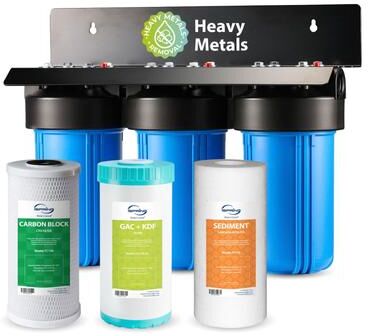
iSpring WGB31B-KS Whole House Water Filter System, Reduces Heavy Metals, Lead, Chlorine, Chloramine, Sediments"Reliable 3-Stage Whole House Water Filtration – This whole house water filter system features a 10"" x 4.5"" sediment filter, a GAC KDF compound filter, and a high-quality carbon block filter to effectively reduce sediments, chlorine, heavy metals,…"305,03 $*Shipping: 0,00 $Secure redirect to the provider
-
What is the Bertelsmann Encyclopedia and Atlas?
The Bertelsmann Encyclopedia and Atlas is a comprehensive reference work that combines an encyclopedia with an atlas. It provides detailed information on a wide range of topics, including history, geography, science, and culture. The atlas section includes maps and geographical information, making it a valuable resource for students, researchers, and anyone seeking in-depth knowledge on various subjects. The Bertelsmann Encyclopedia and Atlas is known for its accuracy, reliability, and user-friendly format. **
-
Why are all elements of the transition metals metals?
All elements of the transition metals are metals because they share common characteristics such as being good conductors of heat and electricity, having high melting and boiling points, and being malleable and ductile. These properties are due to the presence of loosely held electrons in their outermost energy levels, which allows them to easily lose electrons and form positive ions. Transition metals also have a high density and luster, further contributing to their classification as metals. **
-
Can metals burn?
Yes, metals can burn under certain conditions. When exposed to high enough temperatures, some metals can react with oxygen in the air and undergo a process called combustion, resulting in the formation of metal oxides and the release of heat and light. For example, magnesium and titanium are known to burn in air when heated to high temperatures. However, not all metals are easily combustible, and the conditions required for them to burn vary depending on the specific metal. **
-
What are the differences between alkali metals and alkaline earth metals?
Alkali metals and alkaline earth metals are both groups of elements found in the periodic table. Alkali metals are located in group 1 and include elements like lithium, sodium, and potassium, while alkaline earth metals are located in group 2 and include elements like beryllium, magnesium, and calcium. One key difference between the two groups is their reactivity - alkali metals are more reactive than alkaline earth metals. Additionally, alkali metals have one electron in their outermost shell, while alkaline earth metals have two electrons in their outermost shell. **
* All prices are inclusive of VAT and, if applicable, plus shipping costs. The offer information is based on the details provided by the respective shop and is updated through automated processes. Real-time updates do not occur, so deviations can occur in individual cases. ** Note: Parts of this content were created by AI.