Buy referencez.eu ?
We are moving the project
referencez.eu .
Are you interested in purchasing the domain
referencez.eu ?
domain@kv-gmbh.de · 0541-91531010
Buy referencez.eu ?
Is the ionic lattice and the crystal lattice not the same?
The ionic lattice and the crystal lattice are not the same. The crystal lattice refers to the regular, repeating arrangement of atoms, ions, or molecules in a solid. This arrangement can be found in both ionic and covalent compounds. On the other hand, the ionic lattice specifically refers to the arrangement of ions in an ionic compound, where positively and negatively charged ions are held together by strong electrostatic forces. While both concepts involve the arrangement of particles in a solid, the ionic lattice is a specific type of crystal lattice found in ionic compounds. **
How do a metal lattice and a lattice of salts differ?
A metal lattice is made up of positively charged metal ions surrounded by a "sea" of delocalized electrons, which allows for high electrical conductivity. In contrast, a lattice of salts is made up of alternating positively and negatively charged ions held together by ionic bonds. This results in a brittle structure with high melting points and poor electrical conductivity in the solid state. Additionally, the properties of a metal lattice are more malleable and ductile, while a lattice of salts tends to be more brittle and easily fractured. **
Similar search terms for Lattice
Top-Angebote
Products related to Lattice:
-
In2Green Lattice Blue ThrowFramed in leather bridles and reigns, our Equestrian Lattice Throw is the epitome of elegance and functionality. The geometric design will add sophistication to any sofa of bed, the sustainable recycled eco cotton embraces you and our earth.194,99 $*Shipping: 0,00 $Secure redirect to the provider
-
Uplift Essentials "Multi Color ""Active Jingle"" Lattice Ball Multi Color ""Active Jingle"" Lattice Ball""Spark a frenzy of fun with the MultiColor ""ActiveJingle"" Lattice Ball. Designed to be the ultimate target for ""the zoomies,"" this lightweight cat toy combines highvisibility colors with the irresistible auditory trigger of a crisp internal bell. The..."34,97 $*Shipping: 0,00 $Secure redirect to the provider



-
Are the ionic lattice and the crystal lattice not the same?
The ionic lattice and the crystal lattice are not the same. A crystal lattice refers to the regular, repeating arrangement of atoms, ions, or molecules in a crystal structure. On the other hand, an ionic lattice specifically refers to the arrangement of positively and negatively charged ions in a crystal structure, where the ions are held together by strong electrostatic forces. While both involve a regular arrangement of particles, the distinction lies in the type of particles and the forces holding them together. **
-
What are lattice vectors?
Lattice vectors are a set of vectors that define the periodic structure of a crystal lattice. They represent the translation symmetry of the lattice and can be used to generate all the points in the lattice by adding integer multiples of the lattice vectors to a reference point. In a 3D crystal lattice, there are typically three lattice vectors that are linearly independent and form the basis for the lattice. The lattice vectors are essential for describing the crystal structure and understanding the physical properties of materials. **
-
What is the difference between an atomic lattice and a molecular lattice?
An atomic lattice is a regular arrangement of atoms in a crystalline solid, where each atom is positioned at specific points in the lattice structure. On the other hand, a molecular lattice is a regular arrangement of molecules in a crystalline solid, where each molecule is positioned at specific points in the lattice structure. In an atomic lattice, the building blocks are individual atoms, while in a molecular lattice, the building blocks are entire molecules. Additionally, atomic lattices are typically found in elemental solids, while molecular lattices are found in molecular solids composed of covalently bonded molecules. **
-
How is lattice energy arranged?
Lattice energy is arranged based on the charges of the ions involved and the distance between them. The greater the charges of the ions, the higher the lattice energy. Additionally, the smaller the distance between the ions, the higher the lattice energy. This is because the closer the ions are, the stronger the electrostatic forces of attraction between them, leading to higher lattice energy. **


What is an ionic lattice?
An ionic lattice is a three-dimensional arrangement of positively and negatively charged ions held together by electrostatic forces. It is a characteristic structure of ionic compounds, where cations and anions are arranged in a repeating pattern to maximize the attraction between opposite charges. The strong electrostatic forces between the ions give ionic lattices high melting and boiling points, as well as making them good conductors of electricity when dissolved in water or melted. **
What is a metal lattice?
A metal lattice refers to the three-dimensional arrangement of metal atoms in a crystalline structure. In a metal lattice, the metal atoms are arranged in a repeating pattern, forming a network of interconnected points. This lattice structure gives metals their characteristic properties such as malleability, ductility, and conductivity. The arrangement of atoms in a metal lattice allows for the movement of electrons, which is why metals are good conductors of electricity and heat. **
Top-Angebote
Products related to Lattice:
-
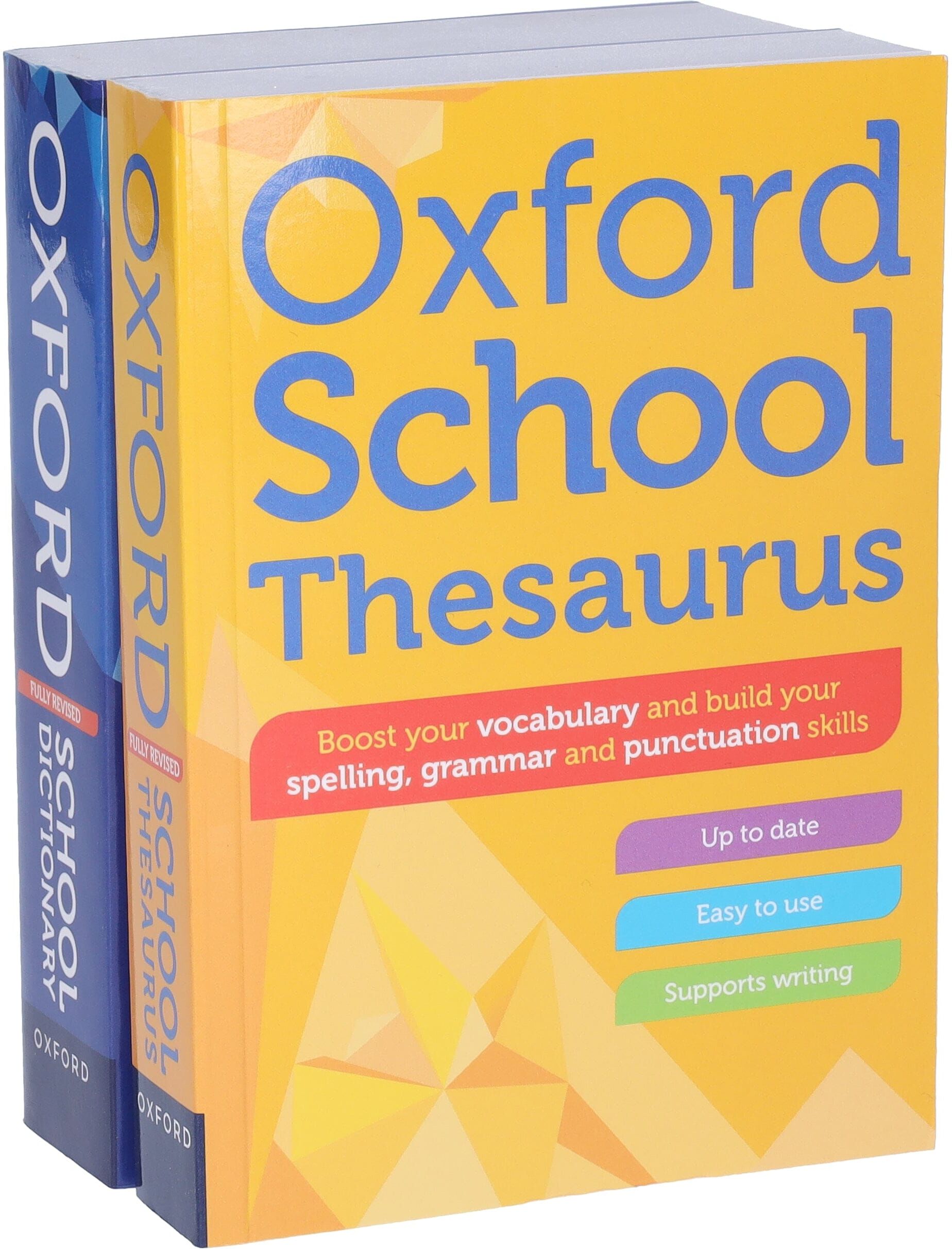
Oxford School Dictionary and Thesaurus 2 Books Collection Set - Non-Fiction - Paperback Oxford University PressThe Oxford School Dictionary and Thesaurus is an essential reference tool for students in primary and secondary education. The dictionary and thesaurus are combined into a single volume, making it an efficient and practical resource for students to use. The Oxford School Dictionary and Thesaurus is designed to provide young learners with the skills necessary to improve their reading and writing skills. The dictionary section of the book contains over 40,000 words, phrases, and definitions. The words are presented in alphabetical order, with clear and concise definitions that are easy for students to understand. Each entry includes a part of speech, a pronunciation guide, and example sentences to provide context for the word's usage. The dictionary also includes important information about word origins, prefixes, suffixes, and spelling rules to help students expand their vocabulary and language skills. One of the most significant benefits of the Oxford School Dictionary and Thesaurus is the inclusion of a thesaurus section. The thesaurus contains over 50,000 synonyms and antonyms, making it an invaluable tool for students looking to improve their writing skills. The thesaurus section is arranged in alphabetical order, making it easy for students to find the word they are looking for. The thesaurus also includes example sentences to provide context for the synonyms and antonyms and help students understand how to use them effectively. The Oxford School Dictionary and Thesaurus also include a range of additional features designed to support and enhance students' learning experience. The book contains a reference section with essential information on grammar, punctuation, and spelling. This section provides clear and concise explanations of essential language rules and guidelines, helping students to develop a strong foundation in English language skills. Another helpful feature of the Oxford School Dictionary and Thesaurus is the inclusion of word histories and language notes. These sections provide fascinating insights into the origins of words and how they have evolved over time. This information not only enhances students' understanding of language but also encourages an interest in language and its development. The Oxford School Dictionary and Thesaurus are designed with students in mind, with clear and easy-to-read text, helpful illustrations, and a durable hardback cover. The book is easy to navigate, with clear cross-referencing between the dictionary and thesaurus sections, making it a user-friendly tool for students to use. The Oxford School Dictionary and Thesaurus is an excellent resource for students of all ages and levels of ability. Whether students are just beginning to learn English or looking to improve their language skills, this book provides a wealth of information and support to help them achieve their goals. The book is particularly useful for students preparing for exams or assessments, as it provides essential information on...14,49 £*Shipping: 2,99 £Secure redirect to the provider
-
In2Green Lattice Blue ThrowFramed in leather bridles and reigns, our Equestrian Lattice Throw is the epitome of elegance and functionality. The geometric design will add sophistication to any sofa of bed, the sustainable recycled eco cotton embraces you and our earth.194,99 $*Shipping: 0,00 $Secure redirect to the provider
-
Is the ionic lattice and the crystal lattice not the same?
The ionic lattice and the crystal lattice are not the same. The crystal lattice refers to the regular, repeating arrangement of atoms, ions, or molecules in a solid. This arrangement can be found in both ionic and covalent compounds. On the other hand, the ionic lattice specifically refers to the arrangement of ions in an ionic compound, where positively and negatively charged ions are held together by strong electrostatic forces. While both concepts involve the arrangement of particles in a solid, the ionic lattice is a specific type of crystal lattice found in ionic compounds. **
-
How do a metal lattice and a lattice of salts differ?
A metal lattice is made up of positively charged metal ions surrounded by a "sea" of delocalized electrons, which allows for high electrical conductivity. In contrast, a lattice of salts is made up of alternating positively and negatively charged ions held together by ionic bonds. This results in a brittle structure with high melting points and poor electrical conductivity in the solid state. Additionally, the properties of a metal lattice are more malleable and ductile, while a lattice of salts tends to be more brittle and easily fractured. **
-
Are the ionic lattice and the crystal lattice not the same?
The ionic lattice and the crystal lattice are not the same. A crystal lattice refers to the regular, repeating arrangement of atoms, ions, or molecules in a crystal structure. On the other hand, an ionic lattice specifically refers to the arrangement of positively and negatively charged ions in a crystal structure, where the ions are held together by strong electrostatic forces. While both involve a regular arrangement of particles, the distinction lies in the type of particles and the forces holding them together. **
-
What are lattice vectors?
Lattice vectors are a set of vectors that define the periodic structure of a crystal lattice. They represent the translation symmetry of the lattice and can be used to generate all the points in the lattice by adding integer multiples of the lattice vectors to a reference point. In a 3D crystal lattice, there are typically three lattice vectors that are linearly independent and form the basis for the lattice. The lattice vectors are essential for describing the crystal structure and understanding the physical properties of materials. **
Similar search terms for Lattice
-
Uplift Essentials "Multi Color ""Active Jingle"" Lattice Ball Multi Color ""Active Jingle"" Lattice Ball""Spark a frenzy of fun with the MultiColor ""ActiveJingle"" Lattice Ball. Designed to be the ultimate target for ""the zoomies,"" this lightweight cat toy combines highvisibility colors with the irresistible auditory trigger of a crisp internal bell. The..."34,97 $*Shipping: 0,00 $Secure redirect to the provider
-
What is the difference between an atomic lattice and a molecular lattice?
An atomic lattice is a regular arrangement of atoms in a crystalline solid, where each atom is positioned at specific points in the lattice structure. On the other hand, a molecular lattice is a regular arrangement of molecules in a crystalline solid, where each molecule is positioned at specific points in the lattice structure. In an atomic lattice, the building blocks are individual atoms, while in a molecular lattice, the building blocks are entire molecules. Additionally, atomic lattices are typically found in elemental solids, while molecular lattices are found in molecular solids composed of covalently bonded molecules. **
-
How is lattice energy arranged?
Lattice energy is arranged based on the charges of the ions involved and the distance between them. The greater the charges of the ions, the higher the lattice energy. Additionally, the smaller the distance between the ions, the higher the lattice energy. This is because the closer the ions are, the stronger the electrostatic forces of attraction between them, leading to higher lattice energy. **
-
What is an ionic lattice?
An ionic lattice is a three-dimensional arrangement of positively and negatively charged ions held together by electrostatic forces. It is a characteristic structure of ionic compounds, where cations and anions are arranged in a repeating pattern to maximize the attraction between opposite charges. The strong electrostatic forces between the ions give ionic lattices high melting and boiling points, as well as making them good conductors of electricity when dissolved in water or melted. **
-
What is a metal lattice?
A metal lattice refers to the three-dimensional arrangement of metal atoms in a crystalline structure. In a metal lattice, the metal atoms are arranged in a repeating pattern, forming a network of interconnected points. This lattice structure gives metals their characteristic properties such as malleability, ductility, and conductivity. The arrangement of atoms in a metal lattice allows for the movement of electrons, which is why metals are good conductors of electricity and heat. **
* All prices are inclusive of VAT and, if applicable, plus shipping costs. The offer information is based on the details provided by the respective shop and is updated through automated processes. Real-time updates do not occur, so deviations can occur in individual cases. ** Note: Parts of this content were created by AI.