Buy referencez.eu ?
We are moving the project
referencez.eu .
Are you interested in purchasing the domain
referencez.eu ?
domain@kv-gmbh.de · 0541-91531010
Buy referencez.eu ?
What is a mitochondrial genome?
A mitochondrial genome is the genetic material found within the mitochondria, which are small structures within cells that are responsible for producing energy. Unlike the nuclear genome, which is inherited from both parents, the mitochondrial genome is inherited exclusively from the mother. It is a circular piece of DNA that contains genes necessary for the mitochondria to function, including those involved in energy production and metabolism. Mutations in the mitochondrial genome can lead to a variety of genetic disorders and diseases. **
What is the Human Genome Project?
The Human Genome Project was an international scientific research project that aimed to map and understand all the genes of the human species. It was completed in 2003 and involved identifying and sequencing the approximately 20,000-25,000 genes in human DNA. The project provided a foundation for understanding the genetic basis of human biology and disease, and has led to advances in personalized medicine, genetic testing, and gene therapy. The Human Genome Project has had a profound impact on the field of genetics and has paved the way for further research into the human genome. **

Similar search terms for Genome
Top-Angebote
Products related to Genome:
-
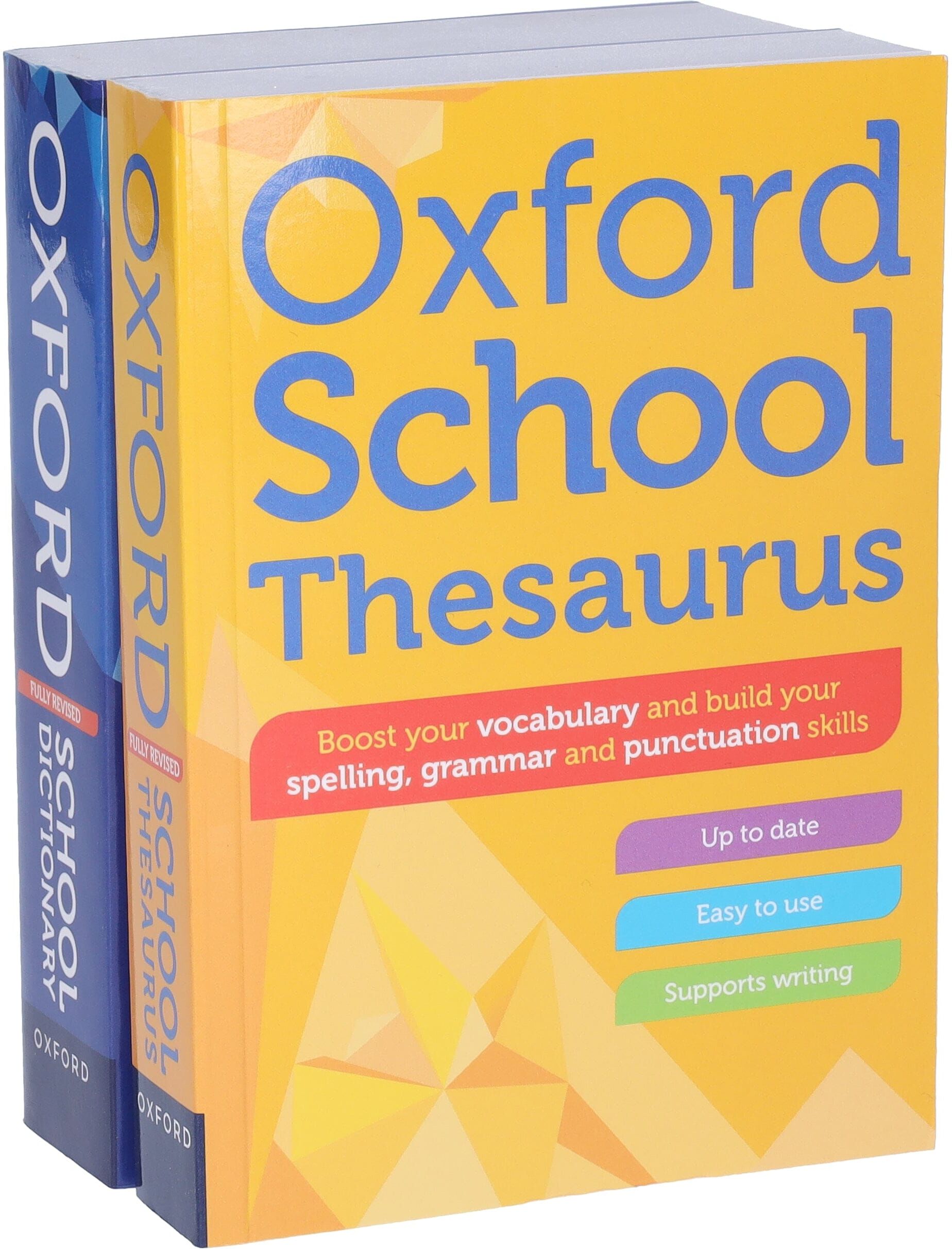
Oxford School Dictionary and Thesaurus 2 Books Collection Set - Non-Fiction - Paperback Oxford University PressThe Oxford School Dictionary and Thesaurus is an essential reference tool for students in primary and secondary education. The dictionary and thesaurus are combined into a single volume, making it an efficient and practical resource for students to use. The Oxford School Dictionary and Thesaurus is designed to provide young learners with the skills necessary to improve their reading and writing skills. The dictionary section of the book contains over 40,000 words, phrases, and definitions. The words are presented in alphabetical order, with clear and concise definitions that are easy for students to understand. Each entry includes a part of speech, a pronunciation guide, and example sentences to provide context for the word's usage. The dictionary also includes important information about word origins, prefixes, suffixes, and spelling rules to help students expand their vocabulary and language skills. One of the most significant benefits of the Oxford School Dictionary and Thesaurus is the inclusion of a thesaurus section. The thesaurus contains over 50,000 synonyms and antonyms, making it an invaluable tool for students looking to improve their writing skills. The thesaurus section is arranged in alphabetical order, making it easy for students to find the word they are looking for. The thesaurus also includes example sentences to provide context for the synonyms and antonyms and help students understand how to use them effectively. The Oxford School Dictionary and Thesaurus also include a range of additional features designed to support and enhance students' learning experience. The book contains a reference section with essential information on grammar, punctuation, and spelling. This section provides clear and concise explanations of essential language rules and guidelines, helping students to develop a strong foundation in English language skills. Another helpful feature of the Oxford School Dictionary and Thesaurus is the inclusion of word histories and language notes. These sections provide fascinating insights into the origins of words and how they have evolved over time. This information not only enhances students' understanding of language but also encourages an interest in language and its development. The Oxford School Dictionary and Thesaurus are designed with students in mind, with clear and easy-to-read text, helpful illustrations, and a durable hardback cover. The book is easy to navigate, with clear cross-referencing between the dictionary and thesaurus sections, making it a user-friendly tool for students to use. The Oxford School Dictionary and Thesaurus is an excellent resource for students of all ages and levels of ability. Whether students are just beginning to learn English or looking to improve their language skills, this book provides a wealth of information and support to help them achieve their goals. The book is particularly useful for students preparing for exams or assessments, as it provides essential information on...14,49 £*Shipping: 2,99 £Secure redirect to the provider
-
Icon Books Junk DNA: A Journey Through the Dark Matter of the Genome by Nessa CareyFor decades, 98 per cent of our DNA was written off as junk on the grounds that it did not code for proteins.From rare genetic diseases to Down s Syndrome, from viral infections to the ageing process, only now are the effects and the vital functions of these junk regions beginning to emerge.Scientists rapidly growing knowledge of this often controversial field has already provided a successful cure for blindness and saved innocent people from death row via DNA fingerprinting, and looks set to revolutionise treatment for many medical conditions including obesity.From Nessa Carey, author of the acclaimed The Epigenetics Revolution, this is the first book for a general readership on a subject that may underpin the secrets of human complexity even the very origins of life on earth.6,45 £*Shipping: 2,99 £Secure redirect to the provider


-
Does genome mean the same as chromosome set?
No, genome and chromosome set are not the same. A genome refers to the complete set of genetic material (DNA) in an organism, including all of its genes. On the other hand, a chromosome set refers to the specific number and types of chromosomes present in a cell. While the genome includes all the genetic information, the chromosome set is a physical structure made up of DNA and proteins that carries the genetic information. **
-
What is the difference between DNA and genome?
DNA, or deoxyribonucleic acid, is a molecule that carries the genetic instructions for the development, functioning, growth, and reproduction of all living organisms. It is a long, double-stranded molecule that is found in the cells of all living organisms. On the other hand, a genome refers to the complete set of an organism's DNA, including all of its genes and non-coding sequences. In other words, DNA is the individual molecule that carries genetic information, while the genome is the entire collection of an organism's genetic material. **
-
What is a genome mutation in a zygote?
A genome mutation in a zygote is a change in the DNA sequence that occurs at the moment of fertilization when the sperm and egg combine to form a single cell. This mutation can be a result of errors in DNA replication, exposure to mutagens, or other environmental factors. These mutations can lead to genetic disorders or variations in the offspring's traits. **
-
What is the Bertelsmann Encyclopedia and Atlas?
The Bertelsmann Encyclopedia and Atlas is a comprehensive reference work that combines an encyclopedia with an atlas. It provides detailed information on a wide range of topics, including history, geography, science, and culture. The atlas section includes maps and geographical information, making it a valuable resource for students, researchers, and anyone seeking in-depth knowledge on various subjects. The Bertelsmann Encyclopedia and Atlas is known for its accuracy, reliability, and user-friendly format. **


What are the functions of genome mutation in biology?
Genome mutations play a crucial role in biological evolution by introducing genetic diversity within a population. This diversity allows for the adaptation of organisms to changing environments and the development of new traits. Mutations also contribute to genetic variation, which is essential for natural selection to act upon. Additionally, mutations can lead to the development of new species over time, contributing to the overall biodiversity of life on Earth. **
How can different genome sizes in bacteria be explained?
Different genome sizes in bacteria can be explained by a variety of factors, including the bacteria's ecological niche, evolutionary history, and genetic complexity. Bacteria that live in stable environments may have smaller genomes, as they may not need as many genes to adapt to changing conditions. On the other hand, bacteria that live in diverse or challenging environments may have larger genomes with more genes for adaptation and survival. Additionally, bacteria that have undergone extensive horizontal gene transfer or have symbiotic relationships with other organisms may have larger genomes due to the acquisition of additional genetic material. Overall, the genome size of bacteria is a reflection of their evolutionary and ecological context. **
Top-Angebote
Products related to Genome:
-
Oxford School Dictionary and Thesaurus 2 Books Collection Set - Non-Fiction - Paperback Oxford University PressThe Oxford School Dictionary and Thesaurus is an essential reference tool for students in primary and secondary education. The dictionary and thesaurus are combined into a single volume, making it an efficient and practical resource for students to use. The Oxford School Dictionary and Thesaurus is designed to provide young learners with the skills necessary to improve their reading and writing skills. The dictionary section of the book contains over 40,000 words, phrases, and definitions. The words are presented in alphabetical order, with clear and concise definitions that are easy for students to understand. Each entry includes a part of speech, a pronunciation guide, and example sentences to provide context for the word's usage. The dictionary also includes important information about word origins, prefixes, suffixes, and spelling rules to help students expand their vocabulary and language skills. One of the most significant benefits of the Oxford School Dictionary and Thesaurus is the inclusion of a thesaurus section. The thesaurus contains over 50,000 synonyms and antonyms, making it an invaluable tool for students looking to improve their writing skills. The thesaurus section is arranged in alphabetical order, making it easy for students to find the word they are looking for. The thesaurus also includes example sentences to provide context for the synonyms and antonyms and help students understand how to use them effectively. The Oxford School Dictionary and Thesaurus also include a range of additional features designed to support and enhance students' learning experience. The book contains a reference section with essential information on grammar, punctuation, and spelling. This section provides clear and concise explanations of essential language rules and guidelines, helping students to develop a strong foundation in English language skills. Another helpful feature of the Oxford School Dictionary and Thesaurus is the inclusion of word histories and language notes. These sections provide fascinating insights into the origins of words and how they have evolved over time. This information not only enhances students' understanding of language but also encourages an interest in language and its development. The Oxford School Dictionary and Thesaurus are designed with students in mind, with clear and easy-to-read text, helpful illustrations, and a durable hardback cover. The book is easy to navigate, with clear cross-referencing between the dictionary and thesaurus sections, making it a user-friendly tool for students to use. The Oxford School Dictionary and Thesaurus is an excellent resource for students of all ages and levels of ability. Whether students are just beginning to learn English or looking to improve their language skills, this book provides a wealth of information and support to help them achieve their goals. The book is particularly useful for students preparing for exams or assessments, as it provides essential information on...14,49 £*Shipping: 2,99 £Secure redirect to the provider
-
Icon Books Junk DNA: A Journey Through the Dark Matter of the Genome by Nessa CareyFor decades, 98 per cent of our DNA was written off as junk on the grounds that it did not code for proteins.From rare genetic diseases to Down s Syndrome, from viral infections to the ageing process, only now are the effects and the vital functions of these junk regions beginning to emerge.Scientists rapidly growing knowledge of this often controversial field has already provided a successful cure for blindness and saved innocent people from death row via DNA fingerprinting, and looks set to revolutionise treatment for many medical conditions including obesity.From Nessa Carey, author of the acclaimed The Epigenetics Revolution, this is the first book for a general readership on a subject that may underpin the secrets of human complexity even the very origins of life on earth.6,45 £*Shipping: 2,99 £Secure redirect to the provider
-
What is a mitochondrial genome?
A mitochondrial genome is the genetic material found within the mitochondria, which are small structures within cells that are responsible for producing energy. Unlike the nuclear genome, which is inherited from both parents, the mitochondrial genome is inherited exclusively from the mother. It is a circular piece of DNA that contains genes necessary for the mitochondria to function, including those involved in energy production and metabolism. Mutations in the mitochondrial genome can lead to a variety of genetic disorders and diseases. **
-
What is the Human Genome Project?
The Human Genome Project was an international scientific research project that aimed to map and understand all the genes of the human species. It was completed in 2003 and involved identifying and sequencing the approximately 20,000-25,000 genes in human DNA. The project provided a foundation for understanding the genetic basis of human biology and disease, and has led to advances in personalized medicine, genetic testing, and gene therapy. The Human Genome Project has had a profound impact on the field of genetics and has paved the way for further research into the human genome. **
-
Does genome mean the same as chromosome set?
No, genome and chromosome set are not the same. A genome refers to the complete set of genetic material (DNA) in an organism, including all of its genes. On the other hand, a chromosome set refers to the specific number and types of chromosomes present in a cell. While the genome includes all the genetic information, the chromosome set is a physical structure made up of DNA and proteins that carries the genetic information. **
-
What is the difference between DNA and genome?
DNA, or deoxyribonucleic acid, is a molecule that carries the genetic instructions for the development, functioning, growth, and reproduction of all living organisms. It is a long, double-stranded molecule that is found in the cells of all living organisms. On the other hand, a genome refers to the complete set of an organism's DNA, including all of its genes and non-coding sequences. In other words, DNA is the individual molecule that carries genetic information, while the genome is the entire collection of an organism's genetic material. **
Similar search terms for Genome
-
What is a genome mutation in a zygote?
A genome mutation in a zygote is a change in the DNA sequence that occurs at the moment of fertilization when the sperm and egg combine to form a single cell. This mutation can be a result of errors in DNA replication, exposure to mutagens, or other environmental factors. These mutations can lead to genetic disorders or variations in the offspring's traits. **
-
What is the Bertelsmann Encyclopedia and Atlas?
The Bertelsmann Encyclopedia and Atlas is a comprehensive reference work that combines an encyclopedia with an atlas. It provides detailed information on a wide range of topics, including history, geography, science, and culture. The atlas section includes maps and geographical information, making it a valuable resource for students, researchers, and anyone seeking in-depth knowledge on various subjects. The Bertelsmann Encyclopedia and Atlas is known for its accuracy, reliability, and user-friendly format. **
-
What are the functions of genome mutation in biology?
Genome mutations play a crucial role in biological evolution by introducing genetic diversity within a population. This diversity allows for the adaptation of organisms to changing environments and the development of new traits. Mutations also contribute to genetic variation, which is essential for natural selection to act upon. Additionally, mutations can lead to the development of new species over time, contributing to the overall biodiversity of life on Earth. **
-
How can different genome sizes in bacteria be explained?
Different genome sizes in bacteria can be explained by a variety of factors, including the bacteria's ecological niche, evolutionary history, and genetic complexity. Bacteria that live in stable environments may have smaller genomes, as they may not need as many genes to adapt to changing conditions. On the other hand, bacteria that live in diverse or challenging environments may have larger genomes with more genes for adaptation and survival. Additionally, bacteria that have undergone extensive horizontal gene transfer or have symbiotic relationships with other organisms may have larger genomes due to the acquisition of additional genetic material. Overall, the genome size of bacteria is a reflection of their evolutionary and ecological context. **
* All prices are inclusive of VAT and, if applicable, plus shipping costs. The offer information is based on the details provided by the respective shop and is updated through automated processes. Real-time updates do not occur, so deviations can occur in individual cases. ** Note: Parts of this content were created by AI.