Buy referencez.eu ?
We are moving the project
referencez.eu .
Are you interested in purchasing the domain
referencez.eu ?
domain@kv-gmbh.de · 0541-91531010
Buy referencez.eu ?
Who destroyed the Colosseum?
The Colosseum in Rome was not destroyed by a single event or individual. Over the centuries, it suffered damage from earthquakes, fires, and stone-robbers who dismantled parts of the structure for building materials. Additionally, neglect and lack of maintenance contributed to its deterioration. Despite these challenges, the Colosseum remains standing as a symbol of ancient Roman engineering and architecture. **
How is Pokémon Colosseum?
Pokémon Colosseum is a unique and enjoyable game that offers a different experience from the traditional Pokémon games. It features a darker storyline and a focus on capturing and purifying Shadow Pokémon. The game also introduces the concept of Double Battles, adding a new layer of strategy to the gameplay. While it may not have the same depth as the main series games, Pokémon Colosseum is still a fun and engaging experience for fans of the franchise. **

Similar search terms for Colosseum
Top-Angebote
Products related to Colosseum:
-
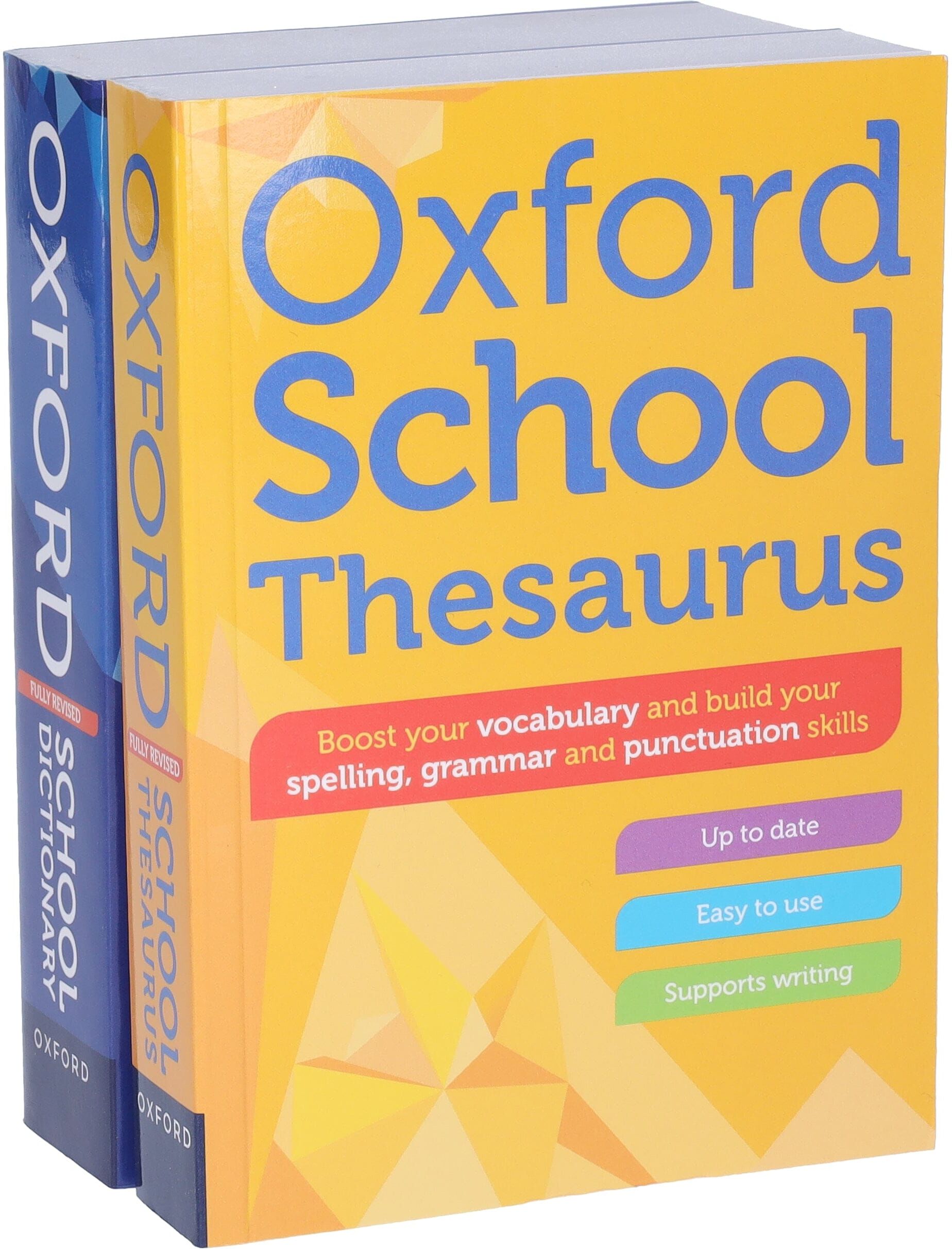
Oxford School Dictionary and Thesaurus 2 Books Collection Set - Non-Fiction - Paperback Oxford University PressThe Oxford School Dictionary and Thesaurus is an essential reference tool for students in primary and secondary education. The dictionary and thesaurus are combined into a single volume, making it an efficient and practical resource for students to use. The Oxford School Dictionary and Thesaurus is designed to provide young learners with the skills necessary to improve their reading and writing skills. The dictionary section of the book contains over 40,000 words, phrases, and definitions. The words are presented in alphabetical order, with clear and concise definitions that are easy for students to understand. Each entry includes a part of speech, a pronunciation guide, and example sentences to provide context for the word's usage. The dictionary also includes important information about word origins, prefixes, suffixes, and spelling rules to help students expand their vocabulary and language skills. One of the most significant benefits of the Oxford School Dictionary and Thesaurus is the inclusion of a thesaurus section. The thesaurus contains over 50,000 synonyms and antonyms, making it an invaluable tool for students looking to improve their writing skills. The thesaurus section is arranged in alphabetical order, making it easy for students to find the word they are looking for. The thesaurus also includes example sentences to provide context for the synonyms and antonyms and help students understand how to use them effectively. The Oxford School Dictionary and Thesaurus also include a range of additional features designed to support and enhance students' learning experience. The book contains a reference section with essential information on grammar, punctuation, and spelling. This section provides clear and concise explanations of essential language rules and guidelines, helping students to develop a strong foundation in English language skills. Another helpful feature of the Oxford School Dictionary and Thesaurus is the inclusion of word histories and language notes. These sections provide fascinating insights into the origins of words and how they have evolved over time. This information not only enhances students' understanding of language but also encourages an interest in language and its development. The Oxford School Dictionary and Thesaurus are designed with students in mind, with clear and easy-to-read text, helpful illustrations, and a durable hardback cover. The book is easy to navigate, with clear cross-referencing between the dictionary and thesaurus sections, making it a user-friendly tool for students to use. The Oxford School Dictionary and Thesaurus is an excellent resource for students of all ages and levels of ability. Whether students are just beginning to learn English or looking to improve their language skills, this book provides a wealth of information and support to help them achieve their goals. The book is particularly useful for students preparing for exams or assessments, as it provides essential information on...14,49 £*Shipping: 2,99 £Secure redirect to the provider



-
How was the Colosseum flooded?
The Colosseum was flooded by a complex system of channels and drains that were designed to bring water into the arena for mock naval battles, known as naumachiae. The channels were connected to the nearby Aqua Claudia and Anio Novus aqueducts, which brought water from distant sources into the city of Rome. The arena could be flooded quickly and efficiently, allowing for the staging of these spectacular and dramatic naval battles for the entertainment of the Roman citizens. **
-
Why is the Colosseum so damaged?
The Colosseum in Rome is so damaged due to a combination of factors over the centuries. Natural disasters such as earthquakes, as well as the pillaging of its materials for other construction projects, have contributed to its deterioration. Additionally, the Colosseum was used as a quarry for many years, with stones being removed for various building projects. The sheer age of the structure, having been built in the 1st century AD, has also played a role in its gradual decay. **
-
What is the Colosseum in Rome?
The Colosseum in Rome is an ancient amphitheater that was built in the 1st century AD. It is one of the most iconic landmarks in Rome and is considered one of the greatest works of Roman architecture. The Colosseum was used for gladiatorial contests, public spectacles, and other events, with a seating capacity of up to 80,000 spectators. Today, it is a popular tourist attraction and a symbol of the power and grandeur of the Roman Empire. **
-
How did the Colosseum get destroyed?
The Colosseum in Rome was not destroyed in a single catastrophic event, but rather suffered damage over the centuries due to natural disasters, neglect, and human activities. Earthquakes in the 5th and 8th centuries caused significant damage to the structure, and many of its materials were later reused in other buildings. Additionally, the Colosseum was used as a quarry for building materials during the Middle Ages. Despite these factors, a large portion of the Colosseum still stands today as a testament to ancient Roman engineering and architecture. **


How did the Colosseum get damaged?
The Colosseum has suffered damage over the centuries due to a combination of natural disasters, neglect, and human activities. Earthquakes have caused significant structural damage to the Colosseum, with the most severe occurring in 1349 and 1703. Additionally, the building has been used as a source of building materials, leading to further deterioration. Pollution and environmental factors have also contributed to the erosion of the Colosseum's facade. Efforts are ongoing to preserve and restore this iconic structure. **
Who sat where in the Colosseum?
The seating arrangement in the Colosseum was based on social hierarchy. The lower classes, including slaves and women, were seated in the upper levels, while the middle class sat in the middle sections. The most privileged spectators, such as senators and emperors, had seats closest to the arena floor. The seating reflected the social status of the attendees and their proximity to the action in the arena. **
Top-Angebote
Products related to Colosseum:
-
Oxford School Dictionary and Thesaurus 2 Books Collection Set - Non-Fiction - Paperback Oxford University PressThe Oxford School Dictionary and Thesaurus is an essential reference tool for students in primary and secondary education. The dictionary and thesaurus are combined into a single volume, making it an efficient and practical resource for students to use. The Oxford School Dictionary and Thesaurus is designed to provide young learners with the skills necessary to improve their reading and writing skills. The dictionary section of the book contains over 40,000 words, phrases, and definitions. The words are presented in alphabetical order, with clear and concise definitions that are easy for students to understand. Each entry includes a part of speech, a pronunciation guide, and example sentences to provide context for the word's usage. The dictionary also includes important information about word origins, prefixes, suffixes, and spelling rules to help students expand their vocabulary and language skills. One of the most significant benefits of the Oxford School Dictionary and Thesaurus is the inclusion of a thesaurus section. The thesaurus contains over 50,000 synonyms and antonyms, making it an invaluable tool for students looking to improve their writing skills. The thesaurus section is arranged in alphabetical order, making it easy for students to find the word they are looking for. The thesaurus also includes example sentences to provide context for the synonyms and antonyms and help students understand how to use them effectively. The Oxford School Dictionary and Thesaurus also include a range of additional features designed to support and enhance students' learning experience. The book contains a reference section with essential information on grammar, punctuation, and spelling. This section provides clear and concise explanations of essential language rules and guidelines, helping students to develop a strong foundation in English language skills. Another helpful feature of the Oxford School Dictionary and Thesaurus is the inclusion of word histories and language notes. These sections provide fascinating insights into the origins of words and how they have evolved over time. This information not only enhances students' understanding of language but also encourages an interest in language and its development. The Oxford School Dictionary and Thesaurus are designed with students in mind, with clear and easy-to-read text, helpful illustrations, and a durable hardback cover. The book is easy to navigate, with clear cross-referencing between the dictionary and thesaurus sections, making it a user-friendly tool for students to use. The Oxford School Dictionary and Thesaurus is an excellent resource for students of all ages and levels of ability. Whether students are just beginning to learn English or looking to improve their language skills, this book provides a wealth of information and support to help them achieve their goals. The book is particularly useful for students preparing for exams or assessments, as it provides essential information on...14,49 £*Shipping: 2,99 £Secure redirect to the provider
-
Who destroyed the Colosseum?
The Colosseum in Rome was not destroyed by a single event or individual. Over the centuries, it suffered damage from earthquakes, fires, and stone-robbers who dismantled parts of the structure for building materials. Additionally, neglect and lack of maintenance contributed to its deterioration. Despite these challenges, the Colosseum remains standing as a symbol of ancient Roman engineering and architecture. **
-
How is Pokémon Colosseum?
Pokémon Colosseum is a unique and enjoyable game that offers a different experience from the traditional Pokémon games. It features a darker storyline and a focus on capturing and purifying Shadow Pokémon. The game also introduces the concept of Double Battles, adding a new layer of strategy to the gameplay. While it may not have the same depth as the main series games, Pokémon Colosseum is still a fun and engaging experience for fans of the franchise. **
-
How was the Colosseum flooded?
The Colosseum was flooded by a complex system of channels and drains that were designed to bring water into the arena for mock naval battles, known as naumachiae. The channels were connected to the nearby Aqua Claudia and Anio Novus aqueducts, which brought water from distant sources into the city of Rome. The arena could be flooded quickly and efficiently, allowing for the staging of these spectacular and dramatic naval battles for the entertainment of the Roman citizens. **
-
Why is the Colosseum so damaged?
The Colosseum in Rome is so damaged due to a combination of factors over the centuries. Natural disasters such as earthquakes, as well as the pillaging of its materials for other construction projects, have contributed to its deterioration. Additionally, the Colosseum was used as a quarry for many years, with stones being removed for various building projects. The sheer age of the structure, having been built in the 1st century AD, has also played a role in its gradual decay. **
Similar search terms for Colosseum
-
What is the Colosseum in Rome?
The Colosseum in Rome is an ancient amphitheater that was built in the 1st century AD. It is one of the most iconic landmarks in Rome and is considered one of the greatest works of Roman architecture. The Colosseum was used for gladiatorial contests, public spectacles, and other events, with a seating capacity of up to 80,000 spectators. Today, it is a popular tourist attraction and a symbol of the power and grandeur of the Roman Empire. **
-
How did the Colosseum get destroyed?
The Colosseum in Rome was not destroyed in a single catastrophic event, but rather suffered damage over the centuries due to natural disasters, neglect, and human activities. Earthquakes in the 5th and 8th centuries caused significant damage to the structure, and many of its materials were later reused in other buildings. Additionally, the Colosseum was used as a quarry for building materials during the Middle Ages. Despite these factors, a large portion of the Colosseum still stands today as a testament to ancient Roman engineering and architecture. **
-
How did the Colosseum get damaged?
The Colosseum has suffered damage over the centuries due to a combination of natural disasters, neglect, and human activities. Earthquakes have caused significant structural damage to the Colosseum, with the most severe occurring in 1349 and 1703. Additionally, the building has been used as a source of building materials, leading to further deterioration. Pollution and environmental factors have also contributed to the erosion of the Colosseum's facade. Efforts are ongoing to preserve and restore this iconic structure. **
-
Who sat where in the Colosseum?
The seating arrangement in the Colosseum was based on social hierarchy. The lower classes, including slaves and women, were seated in the upper levels, while the middle class sat in the middle sections. The most privileged spectators, such as senators and emperors, had seats closest to the arena floor. The seating reflected the social status of the attendees and their proximity to the action in the arena. **
* All prices are inclusive of VAT and, if applicable, plus shipping costs. The offer information is based on the details provided by the respective shop and is updated through automated processes. Real-time updates do not occur, so deviations can occur in individual cases. ** Note: Parts of this content were created by AI.