Buy referencez.eu ?
We are moving the project
referencez.eu .
Are you interested in purchasing the domain
referencez.eu ?
domain@kv-gmbh.de · 0541-91531010
Buy referencez.eu ?
Should airbags deploy?
Yes, airbags should deploy in the event of a collision to help protect the occupants of the vehicle from serious injury. Airbags are designed to rapidly inflate upon impact and provide a cushioning effect to reduce the force of the collision on the occupants. They are an important safety feature that can help prevent more severe injuries in a car accident. However, it is important to note that airbags are not a substitute for wearing seat belts, and both should be used together for maximum protection. **
Do buses have airbags?
Yes, some buses are equipped with airbags. However, it is not a standard feature on all buses. The use of airbags in buses is more common in newer models and in certain types of buses, such as coach buses or school buses. The decision to include airbags in buses depends on the manufacturer and the specific safety standards of the region in which the bus is operated. **

Similar search terms for Airbags
Top-Angebote
Products related to Airbags:
-
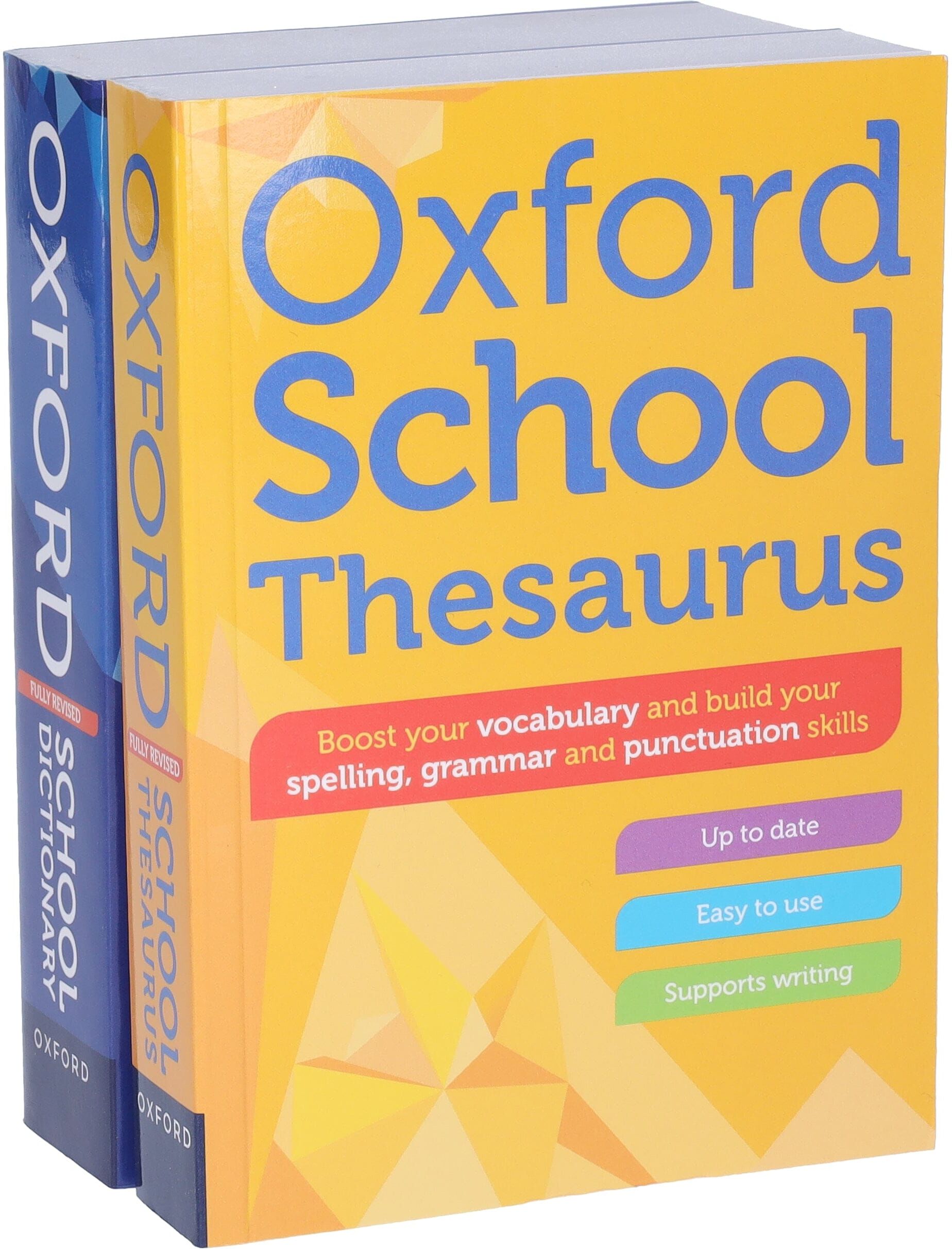
Oxford School Dictionary and Thesaurus 2 Books Collection Set - Non-Fiction - Paperback Oxford University PressThe Oxford School Dictionary and Thesaurus is an essential reference tool for students in primary and secondary education. The dictionary and thesaurus are combined into a single volume, making it an efficient and practical resource for students to use. The Oxford School Dictionary and Thesaurus is designed to provide young learners with the skills necessary to improve their reading and writing skills. The dictionary section of the book contains over 40,000 words, phrases, and definitions. The words are presented in alphabetical order, with clear and concise definitions that are easy for students to understand. Each entry includes a part of speech, a pronunciation guide, and example sentences to provide context for the word's usage. The dictionary also includes important information about word origins, prefixes, suffixes, and spelling rules to help students expand their vocabulary and language skills. One of the most significant benefits of the Oxford School Dictionary and Thesaurus is the inclusion of a thesaurus section. The thesaurus contains over 50,000 synonyms and antonyms, making it an invaluable tool for students looking to improve their writing skills. The thesaurus section is arranged in alphabetical order, making it easy for students to find the word they are looking for. The thesaurus also includes example sentences to provide context for the synonyms and antonyms and help students understand how to use them effectively. The Oxford School Dictionary and Thesaurus also include a range of additional features designed to support and enhance students' learning experience. The book contains a reference section with essential information on grammar, punctuation, and spelling. This section provides clear and concise explanations of essential language rules and guidelines, helping students to develop a strong foundation in English language skills. Another helpful feature of the Oxford School Dictionary and Thesaurus is the inclusion of word histories and language notes. These sections provide fascinating insights into the origins of words and how they have evolved over time. This information not only enhances students' understanding of language but also encourages an interest in language and its development. The Oxford School Dictionary and Thesaurus are designed with students in mind, with clear and easy-to-read text, helpful illustrations, and a durable hardback cover. The book is easy to navigate, with clear cross-referencing between the dictionary and thesaurus sections, making it a user-friendly tool for students to use. The Oxford School Dictionary and Thesaurus is an excellent resource for students of all ages and levels of ability. Whether students are just beginning to learn English or looking to improve their language skills, this book provides a wealth of information and support to help them achieve their goals. The book is particularly useful for students preparing for exams or assessments, as it provides essential information on...14,49 £*Shipping: 2,99 £Secure redirect to the provider



-
Do vintage cars need airbags?
Vintage cars were not required to have airbags when they were manufactured, as airbags only became mandatory in the 1990s. However, some vintage car owners may choose to retrofit their vehicles with airbags for added safety. It is important to check the specific regulations and requirements for vintage cars in your area to ensure compliance with safety standards. Ultimately, the decision to install airbags in a vintage car is up to the owner and their preference for safety features. **
-
How can one sell airbags?
One can sell airbags by targeting the automotive industry, including car manufacturers and dealerships, as well as auto repair shops and safety equipment retailers. It is important to highlight the safety benefits of airbags and their ability to protect drivers and passengers in the event of a collision. Additionally, emphasizing the quality, reliability, and compliance with safety standards of the airbags can help in selling them to potential buyers. Marketing efforts can also include promoting the ease of installation and compatibility with various vehicle models. **
-
Why don't race cars have airbags?
Race cars do not have airbags because they are designed for high-speed performance and maneuverability, and the addition of airbags would add unnecessary weight and complexity to the vehicle. Additionally, race car drivers are highly trained professionals who are equipped with specialized safety gear such as helmets, fire-resistant suits, and harnesses, which provide more effective protection in the event of a crash. The focus in racing is on minimizing weight and maximizing speed, so safety features like airbags are not a priority. **
-
Which vintage cars have ABS and airbags?
Vintage cars typically do not come equipped with ABS and airbags as these safety features were not widely available in older vehicles. However, some luxury and high-end models from the late 1980s and early 1990s may have been equipped with ABS, and a few rare models may have had airbags as well. It's important to note that the availability of these features in vintage cars is limited and not common across the board. **
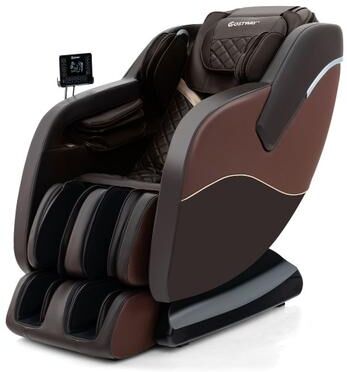
![Costway [Lifetime Warranty (Limited-time Offer)] Provox 27-Comfort Full Body Massage Chair with SL Track Airbags Heating-Gray](https://cdn.adindex.com/oimg/5b01ce4d-8745-47b1-b0d9-2aab2478874e)
Why are there no airbags in racing cars?
There are no airbags in racing cars because they are designed for high-speed performance and maneuverability, and the presence of airbags could interfere with the driver's ability to control the vehicle. Additionally, the use of airbags in racing cars is not practical due to the nature of racing accidents, which often involve high impact collisions that could potentially deploy airbags unnecessarily and hinder the driver's movement. Instead, racing cars are equipped with other safety features such as roll cages, harnesses, and impact-absorbing materials to protect the driver in the event of a crash. **
What is the Bertelsmann Encyclopedia and Atlas?
The Bertelsmann Encyclopedia and Atlas is a comprehensive reference work that combines an encyclopedia with an atlas. It provides detailed information on a wide range of topics, including history, geography, science, and culture. The atlas section includes maps and geographical information, making it a valuable resource for students, researchers, and anyone seeking in-depth knowledge on various subjects. The Bertelsmann Encyclopedia and Atlas is known for its accuracy, reliability, and user-friendly format. **
Top-Angebote
Products related to Airbags:
-
Should airbags deploy?
Yes, airbags should deploy in the event of a collision to help protect the occupants of the vehicle from serious injury. Airbags are designed to rapidly inflate upon impact and provide a cushioning effect to reduce the force of the collision on the occupants. They are an important safety feature that can help prevent more severe injuries in a car accident. However, it is important to note that airbags are not a substitute for wearing seat belts, and both should be used together for maximum protection. **
-
Do buses have airbags?
Yes, some buses are equipped with airbags. However, it is not a standard feature on all buses. The use of airbags in buses is more common in newer models and in certain types of buses, such as coach buses or school buses. The decision to include airbags in buses depends on the manufacturer and the specific safety standards of the region in which the bus is operated. **
-
Do vintage cars need airbags?
Vintage cars were not required to have airbags when they were manufactured, as airbags only became mandatory in the 1990s. However, some vintage car owners may choose to retrofit their vehicles with airbags for added safety. It is important to check the specific regulations and requirements for vintage cars in your area to ensure compliance with safety standards. Ultimately, the decision to install airbags in a vintage car is up to the owner and their preference for safety features. **
-
How can one sell airbags?
One can sell airbags by targeting the automotive industry, including car manufacturers and dealerships, as well as auto repair shops and safety equipment retailers. It is important to highlight the safety benefits of airbags and their ability to protect drivers and passengers in the event of a collision. Additionally, emphasizing the quality, reliability, and compliance with safety standards of the airbags can help in selling them to potential buyers. Marketing efforts can also include promoting the ease of installation and compatibility with various vehicle models. **
Similar search terms for Airbags
-
Oxford School Dictionary and Thesaurus 2 Books Collection Set - Non-Fiction - Paperback Oxford University PressThe Oxford School Dictionary and Thesaurus is an essential reference tool for students in primary and secondary education. The dictionary and thesaurus are combined into a single volume, making it an efficient and practical resource for students to use. The Oxford School Dictionary and Thesaurus is designed to provide young learners with the skills necessary to improve their reading and writing skills. The dictionary section of the book contains over 40,000 words, phrases, and definitions. The words are presented in alphabetical order, with clear and concise definitions that are easy for students to understand. Each entry includes a part of speech, a pronunciation guide, and example sentences to provide context for the word's usage. The dictionary also includes important information about word origins, prefixes, suffixes, and spelling rules to help students expand their vocabulary and language skills. One of the most significant benefits of the Oxford School Dictionary and Thesaurus is the inclusion of a thesaurus section. The thesaurus contains over 50,000 synonyms and antonyms, making it an invaluable tool for students looking to improve their writing skills. The thesaurus section is arranged in alphabetical order, making it easy for students to find the word they are looking for. The thesaurus also includes example sentences to provide context for the synonyms and antonyms and help students understand how to use them effectively. The Oxford School Dictionary and Thesaurus also include a range of additional features designed to support and enhance students' learning experience. The book contains a reference section with essential information on grammar, punctuation, and spelling. This section provides clear and concise explanations of essential language rules and guidelines, helping students to develop a strong foundation in English language skills. Another helpful feature of the Oxford School Dictionary and Thesaurus is the inclusion of word histories and language notes. These sections provide fascinating insights into the origins of words and how they have evolved over time. This information not only enhances students' understanding of language but also encourages an interest in language and its development. The Oxford School Dictionary and Thesaurus are designed with students in mind, with clear and easy-to-read text, helpful illustrations, and a durable hardback cover. The book is easy to navigate, with clear cross-referencing between the dictionary and thesaurus sections, making it a user-friendly tool for students to use. The Oxford School Dictionary and Thesaurus is an excellent resource for students of all ages and levels of ability. Whether students are just beginning to learn English or looking to improve their language skills, this book provides a wealth of information and support to help them achieve their goals. The book is particularly useful for students preparing for exams or assessments, as it provides essential information on...14,49 £*Shipping: 2,99 £Secure redirect to the provider
-
Why don't race cars have airbags?
Race cars do not have airbags because they are designed for high-speed performance and maneuverability, and the addition of airbags would add unnecessary weight and complexity to the vehicle. Additionally, race car drivers are highly trained professionals who are equipped with specialized safety gear such as helmets, fire-resistant suits, and harnesses, which provide more effective protection in the event of a crash. The focus in racing is on minimizing weight and maximizing speed, so safety features like airbags are not a priority. **
-
Which vintage cars have ABS and airbags?
Vintage cars typically do not come equipped with ABS and airbags as these safety features were not widely available in older vehicles. However, some luxury and high-end models from the late 1980s and early 1990s may have been equipped with ABS, and a few rare models may have had airbags as well. It's important to note that the availability of these features in vintage cars is limited and not common across the board. **
-
Why are there no airbags in racing cars?
There are no airbags in racing cars because they are designed for high-speed performance and maneuverability, and the presence of airbags could interfere with the driver's ability to control the vehicle. Additionally, the use of airbags in racing cars is not practical due to the nature of racing accidents, which often involve high impact collisions that could potentially deploy airbags unnecessarily and hinder the driver's movement. Instead, racing cars are equipped with other safety features such as roll cages, harnesses, and impact-absorbing materials to protect the driver in the event of a crash. **
-
What is the Bertelsmann Encyclopedia and Atlas?
The Bertelsmann Encyclopedia and Atlas is a comprehensive reference work that combines an encyclopedia with an atlas. It provides detailed information on a wide range of topics, including history, geography, science, and culture. The atlas section includes maps and geographical information, making it a valuable resource for students, researchers, and anyone seeking in-depth knowledge on various subjects. The Bertelsmann Encyclopedia and Atlas is known for its accuracy, reliability, and user-friendly format. **
* All prices are inclusive of VAT and, if applicable, plus shipping costs. The offer information is based on the details provided by the respective shop and is updated through automated processes. Real-time updates do not occur, so deviations can occur in individual cases. ** Note: Parts of this content were created by AI.