Buy referencez.eu ?
We are moving the project
referencez.eu .
Are you interested in purchasing the domain
referencez.eu ?
domain@kv-gmbh.de · 0541-91531010
Buy referencez.eu ?
What are sensory cells, sensory organs, and senses?
Sensory cells are specialized cells that detect and respond to specific stimuli, such as light, sound, touch, taste, and smell. These cells are found in sensory organs, which are structures in the body that contain sensory cells and are responsible for detecting and transmitting sensory information to the brain. The senses, on the other hand, are the physiological capacities of organisms that provide data for perception. They include sight, hearing, touch, taste, and smell, and are essential for experiencing and interacting with the environment. **
What is the difference between a primary sensory cell, a secondary sensory cell, and a sensory nerve cell?
Primary sensory cells are specialized cells that directly detect stimuli from the environment, such as light, sound, or touch. Secondary sensory cells receive signals from primary sensory cells and transmit them to the central nervous system. Sensory nerve cells, also known as sensory neurons, are responsible for transmitting the signals from secondary sensory cells to the brain, where they are processed and interpreted. In summary, primary sensory cells detect stimuli, secondary sensory cells relay the signals, and sensory nerve cells transmit the signals to the brain for processing. **

Similar search terms for Sensory
Top-Angebote
Products related to Sensory:
-
The Dog Encyclopedia: The Definitive Visual Guide (DK Pet Encyclopedias)Explore the history and variety of our most faithful companions in this collection of over 400 different dog breeds. For centuries, dogs have been adored for their unswerving loyalty, and this new edition of The Dog Encyclopedia perfectly celebrates the special relationship that binds humans with our four-legged friends. Starting with their history, evolution, and anatomy, this brilliant book about dogs puts on a show of dogs in art and advertising, sport and service, and religion and culture, as famous dogs in fiction line up alongside heroic helpers. The catalogue introduces more than 400 dog breeds arranged in traditional categories, from primitive and working dogs to companion dogs and scent hounds. Every entry includes glorious photographs and fact-packed profiles detailing the individual character, compatible owner traits, and breed-specific advice. Dive straight into this dog book, which offers:- A fully-illustrated guide to canine anatomy and body systems. - A catalogue of internationally recognized dog breeds. - Annotated images that highlight the typical characteristics of every featured breed. - Boxed topics on record breakers, canine film stars, and heroic war dogs add a fascinating degree of detail. Additionally, the book offers expert information on everything from exercising and feeding your dog to grooming and puppy training, along with a section on care to help you identify and deal with any canine health problems. Combining fabulous photographs with information on the latest breeds, historical facts, and advice on everyday care, The Dog Encyclopedia is an indispensable owner's guide and a useful reference for professionals.16,99 £*Shipping: 2,99 £Secure redirect to the provider
-
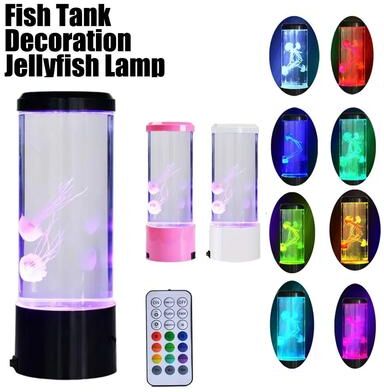
Uplift Essentials Floating Jellyfish Sensory Mood Lamp Floating Jellyfish Sensory Mood LampDive into a world of tranquility with the Floating Jellyfish Sensory Mood Lamp, a mesmerizing centerpiece designed to bring the calming depths of the ocean into your living space. This highdefinition aquarium uses advanced fluid dynamics to create a...72,97 $*Shipping: 0,00 $Secure redirect to the provider
-
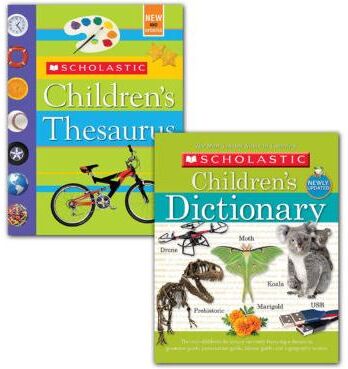
OXFORD UNIVERSITY PRESS Oxford School Dictionary - Oxford DictionaryOxford School Dictionary Description A major new edition of the trusted; bestselling; comprehensive Oxford School Dictionary with new curriculum support. This fantastic new edition will boost your children's vocabulary with new words and meanings from across the curriculum. A helpful new spelling; grammar and punctuation section is included to enhance language skills and bring the dictionary up to date. What makes it the best? It is uniquely powered by the Oxford Children's Corpus; the largest bank of children's language in English; so you can be confident that all entries are clearly written in child-friendly language that children actually understand. Each example is perfectly age-appropriate; making it easy and enjoyable for every child to use. New for this edition is a robust supplement on spelling; grammar and punctuation; giving targeted help with the tricky bits; making this dictionary the perfect tool to support children in their journey to become good readers and writers. As usual; it has been extensively trialled with schools; so you can be sure it is still the best dictionary for your children; in a handy pocket-sized format7,99 £*Shipping: 2,99 £Secure redirect to the provider


-
Are receptors sensory cells?
Receptors are not sensory cells themselves, but they are specialized proteins located on the surface of sensory cells. These receptors are responsible for detecting and responding to specific stimuli, such as light, sound, taste, or smell. When a receptor is activated by a stimulus, it triggers a series of biochemical reactions within the sensory cell, ultimately leading to the generation of a sensory signal that can be transmitted to the brain for processing. Therefore, while receptors are not sensory cells, they play a crucial role in the sensory process by detecting and transducing stimuli into neural signals. **
-
What is sensory perception?
Sensory perception refers to the process of receiving and interpreting information from the environment through the senses. This includes the five main senses of sight, hearing, touch, taste, and smell, as well as other sensory experiences such as balance, proprioception, and temperature. The brain then processes this sensory information to create a perception of the world around us, allowing us to interact with and understand our surroundings. Sensory perception is essential for everyday functioning and plays a crucial role in how we experience and navigate the world. **
-
What are artificial sensory organs?
Artificial sensory organs are devices designed to mimic the functions of natural sensory organs, such as the eyes, ears, and skin. These devices use advanced technology to detect and process sensory information, allowing individuals to perceive and interact with their environment in a way that is similar to natural sensory organs. Artificial sensory organs have the potential to enhance or restore sensory capabilities for individuals with disabilities, as well as to provide new sensory experiences for people without impairments. These technologies have the potential to revolutionize healthcare and human-computer interaction. **
-
How does sensory development progress?
Sensory development progresses through a series of stages, beginning with basic sensory experiences such as touch, taste, and smell in infancy. As children grow, they develop more refined sensory abilities, such as improved vision and hearing, and begin to integrate sensory information to make sense of their environment. This process continues into adolescence and adulthood, with individuals becoming more adept at interpreting and responding to sensory stimuli. Overall, sensory development progresses from basic sensory experiences to more complex and integrated sensory abilities as individuals mature. **

What are sensory nerve cells?
Sensory nerve cells, also known as sensory neurons, are specialized cells that transmit information from the body's sensory organs (such as the skin, eyes, ears, nose, and tongue) to the central nervous system. These cells are responsible for detecting various stimuli, such as touch, temperature, pain, and pressure, and converting these stimuli into electrical signals that can be interpreted by the brain. Sensory nerve cells play a crucial role in allowing us to perceive and respond to our environment. **
Why is sensory transduction necessary?
Sensory transduction is necessary because it allows the body to convert various forms of environmental stimuli, such as light, sound, touch, and chemical signals, into electrical signals that can be interpreted by the nervous system. This process is essential for the body to perceive and respond to its surroundings, allowing for the detection of potential dangers, the regulation of bodily functions, and the experience of sensations such as taste, smell, and touch. Without sensory transduction, the body would not be able to effectively interact with its environment and respond to changes in its surroundings. **
Top-Angebote
Products related to Sensory:
-
Oxford School Dictionary and Thesaurus 2 Books Collection Set - Non-Fiction - Paperback Oxford University PressThe Oxford School Dictionary and Thesaurus is an essential reference tool for students in primary and secondary education. The dictionary and thesaurus are combined into a single volume, making it an efficient and practical resource for students to use. The Oxford School Dictionary and Thesaurus is designed to provide young learners with the skills necessary to improve their reading and writing skills. The dictionary section of the book contains over 40,000 words, phrases, and definitions. The words are presented in alphabetical order, with clear and concise definitions that are easy for students to understand. Each entry includes a part of speech, a pronunciation guide, and example sentences to provide context for the word's usage. The dictionary also includes important information about word origins, prefixes, suffixes, and spelling rules to help students expand their vocabulary and language skills. One of the most significant benefits of the Oxford School Dictionary and Thesaurus is the inclusion of a thesaurus section. The thesaurus contains over 50,000 synonyms and antonyms, making it an invaluable tool for students looking to improve their writing skills. The thesaurus section is arranged in alphabetical order, making it easy for students to find the word they are looking for. The thesaurus also includes example sentences to provide context for the synonyms and antonyms and help students understand how to use them effectively. The Oxford School Dictionary and Thesaurus also include a range of additional features designed to support and enhance students' learning experience. The book contains a reference section with essential information on grammar, punctuation, and spelling. This section provides clear and concise explanations of essential language rules and guidelines, helping students to develop a strong foundation in English language skills. Another helpful feature of the Oxford School Dictionary and Thesaurus is the inclusion of word histories and language notes. These sections provide fascinating insights into the origins of words and how they have evolved over time. This information not only enhances students' understanding of language but also encourages an interest in language and its development. The Oxford School Dictionary and Thesaurus are designed with students in mind, with clear and easy-to-read text, helpful illustrations, and a durable hardback cover. The book is easy to navigate, with clear cross-referencing between the dictionary and thesaurus sections, making it a user-friendly tool for students to use. The Oxford School Dictionary and Thesaurus is an excellent resource for students of all ages and levels of ability. Whether students are just beginning to learn English or looking to improve their language skills, this book provides a wealth of information and support to help them achieve their goals. The book is particularly useful for students preparing for exams or assessments, as it provides essential information on...14,49 £*Shipping: 2,99 £Secure redirect to the provider
-
The Dog Encyclopedia: The Definitive Visual Guide (DK Pet Encyclopedias)Explore the history and variety of our most faithful companions in this collection of over 400 different dog breeds. For centuries, dogs have been adored for their unswerving loyalty, and this new edition of The Dog Encyclopedia perfectly celebrates the special relationship that binds humans with our four-legged friends. Starting with their history, evolution, and anatomy, this brilliant book about dogs puts on a show of dogs in art and advertising, sport and service, and religion and culture, as famous dogs in fiction line up alongside heroic helpers. The catalogue introduces more than 400 dog breeds arranged in traditional categories, from primitive and working dogs to companion dogs and scent hounds. Every entry includes glorious photographs and fact-packed profiles detailing the individual character, compatible owner traits, and breed-specific advice. Dive straight into this dog book, which offers:- A fully-illustrated guide to canine anatomy and body systems. - A catalogue of internationally recognized dog breeds. - Annotated images that highlight the typical characteristics of every featured breed. - Boxed topics on record breakers, canine film stars, and heroic war dogs add a fascinating degree of detail. Additionally, the book offers expert information on everything from exercising and feeding your dog to grooming and puppy training, along with a section on care to help you identify and deal with any canine health problems. Combining fabulous photographs with information on the latest breeds, historical facts, and advice on everyday care, The Dog Encyclopedia is an indispensable owner's guide and a useful reference for professionals.16,99 £*Shipping: 2,99 £Secure redirect to the provider
-
Uplift Essentials Floating Jellyfish Sensory Mood Lamp Floating Jellyfish Sensory Mood LampDive into a world of tranquility with the Floating Jellyfish Sensory Mood Lamp, a mesmerizing centerpiece designed to bring the calming depths of the ocean into your living space. This highdefinition aquarium uses advanced fluid dynamics to create a...72,97 $*Shipping: 0,00 $Secure redirect to the provider
-
What are sensory cells, sensory organs, and senses?
Sensory cells are specialized cells that detect and respond to specific stimuli, such as light, sound, touch, taste, and smell. These cells are found in sensory organs, which are structures in the body that contain sensory cells and are responsible for detecting and transmitting sensory information to the brain. The senses, on the other hand, are the physiological capacities of organisms that provide data for perception. They include sight, hearing, touch, taste, and smell, and are essential for experiencing and interacting with the environment. **
-
What is the difference between a primary sensory cell, a secondary sensory cell, and a sensory nerve cell?
Primary sensory cells are specialized cells that directly detect stimuli from the environment, such as light, sound, or touch. Secondary sensory cells receive signals from primary sensory cells and transmit them to the central nervous system. Sensory nerve cells, also known as sensory neurons, are responsible for transmitting the signals from secondary sensory cells to the brain, where they are processed and interpreted. In summary, primary sensory cells detect stimuli, secondary sensory cells relay the signals, and sensory nerve cells transmit the signals to the brain for processing. **
-
Are receptors sensory cells?
Receptors are not sensory cells themselves, but they are specialized proteins located on the surface of sensory cells. These receptors are responsible for detecting and responding to specific stimuli, such as light, sound, taste, or smell. When a receptor is activated by a stimulus, it triggers a series of biochemical reactions within the sensory cell, ultimately leading to the generation of a sensory signal that can be transmitted to the brain for processing. Therefore, while receptors are not sensory cells, they play a crucial role in the sensory process by detecting and transducing stimuli into neural signals. **
-
What is sensory perception?
Sensory perception refers to the process of receiving and interpreting information from the environment through the senses. This includes the five main senses of sight, hearing, touch, taste, and smell, as well as other sensory experiences such as balance, proprioception, and temperature. The brain then processes this sensory information to create a perception of the world around us, allowing us to interact with and understand our surroundings. Sensory perception is essential for everyday functioning and plays a crucial role in how we experience and navigate the world. **
Similar search terms for Sensory
-
OXFORD UNIVERSITY PRESS Oxford School Dictionary - Oxford DictionaryOxford School Dictionary Description A major new edition of the trusted; bestselling; comprehensive Oxford School Dictionary with new curriculum support. This fantastic new edition will boost your children's vocabulary with new words and meanings from across the curriculum. A helpful new spelling; grammar and punctuation section is included to enhance language skills and bring the dictionary up to date. What makes it the best? It is uniquely powered by the Oxford Children's Corpus; the largest bank of children's language in English; so you can be confident that all entries are clearly written in child-friendly language that children actually understand. Each example is perfectly age-appropriate; making it easy and enjoyable for every child to use. New for this edition is a robust supplement on spelling; grammar and punctuation; giving targeted help with the tricky bits; making this dictionary the perfect tool to support children in their journey to become good readers and writers. As usual; it has been extensively trialled with schools; so you can be sure it is still the best dictionary for your children; in a handy pocket-sized format7,99 £*Shipping: 2,99 £Secure redirect to the provider
-
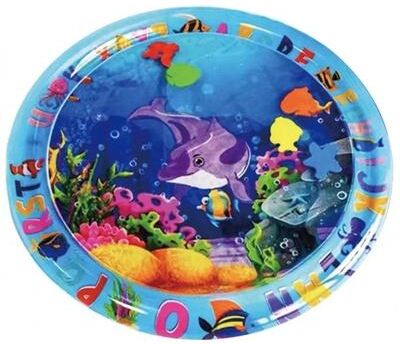
Inspired Finds Interactive Floating Fish Water Sensory Play Mat For Cats sensory MatTurn ordinary playtime into a captivating sensory adventure for your pet. This interactive cat mat features a waterfilled design with floating fish elements that move and shift as your cat paws, presses, and explores the surface. The engaging motion...34,99 $*Shipping: 0,00 $Secure redirect to the provider
-
Quick Pick Pro Stretchable Pop Tubes Sensory Stress Relief Toy Kids Party Favors & Dog Sensory Toy Pack Stretchable Pop Tubes Sensory Stress Relief Toy Kids Party Favors & Dog Sensory Toy PackTurn everyday fidgeting into fun, calming play with pop tubes sensory toy designed to entertain, soothe, and engage both kids and pets. This colorful 10piece set transforms simple movement into satisfying sound and motion that keeps hands busy and...29,97 $*Shipping: 0,00 $Secure redirect to the provider
-
What are artificial sensory organs?
Artificial sensory organs are devices designed to mimic the functions of natural sensory organs, such as the eyes, ears, and skin. These devices use advanced technology to detect and process sensory information, allowing individuals to perceive and interact with their environment in a way that is similar to natural sensory organs. Artificial sensory organs have the potential to enhance or restore sensory capabilities for individuals with disabilities, as well as to provide new sensory experiences for people without impairments. These technologies have the potential to revolutionize healthcare and human-computer interaction. **
-
How does sensory development progress?
Sensory development progresses through a series of stages, beginning with basic sensory experiences such as touch, taste, and smell in infancy. As children grow, they develop more refined sensory abilities, such as improved vision and hearing, and begin to integrate sensory information to make sense of their environment. This process continues into adolescence and adulthood, with individuals becoming more adept at interpreting and responding to sensory stimuli. Overall, sensory development progresses from basic sensory experiences to more complex and integrated sensory abilities as individuals mature. **
-
What are sensory nerve cells?
Sensory nerve cells, also known as sensory neurons, are specialized cells that transmit information from the body's sensory organs (such as the skin, eyes, ears, nose, and tongue) to the central nervous system. These cells are responsible for detecting various stimuli, such as touch, temperature, pain, and pressure, and converting these stimuli into electrical signals that can be interpreted by the brain. Sensory nerve cells play a crucial role in allowing us to perceive and respond to our environment. **
-
Why is sensory transduction necessary?
Sensory transduction is necessary because it allows the body to convert various forms of environmental stimuli, such as light, sound, touch, and chemical signals, into electrical signals that can be interpreted by the nervous system. This process is essential for the body to perceive and respond to its surroundings, allowing for the detection of potential dangers, the regulation of bodily functions, and the experience of sensations such as taste, smell, and touch. Without sensory transduction, the body would not be able to effectively interact with its environment and respond to changes in its surroundings. **
* All prices are inclusive of VAT and, if applicable, plus shipping costs. The offer information is based on the details provided by the respective shop and is updated through automated processes. Real-time updates do not occur, so deviations can occur in individual cases. ** Note: Parts of this content were created by AI.