Buy referencez.eu ?
We are moving the project
referencez.eu .
Are you interested in purchasing the domain
referencez.eu ?
domain@kv-gmbh.de · 0541-91531010
Buy referencez.eu ?
Is linguistic design the same as linguistic devices?
No, linguistic design and linguistic devices are not the same. Linguistic design refers to the overall structure and organization of language, including factors such as syntax, semantics, and discourse patterns. On the other hand, linguistic devices are specific techniques or tools used within language to achieve certain effects, such as metaphors, similes, or alliteration. While linguistic devices are a part of linguistic design, they are just one component of the broader concept. **
What are non-linguistic signs and linguistic signs?
Non-linguistic signs are symbols or signals that convey meaning without the use of language, such as traffic lights, facial expressions, or body language. These signs rely on visual cues or gestures to communicate information. On the other hand, linguistic signs are symbols that represent specific meanings within a particular language system, such as words, letters, or numbers. Linguistic signs rely on the conventions and rules of language to convey meaning. **
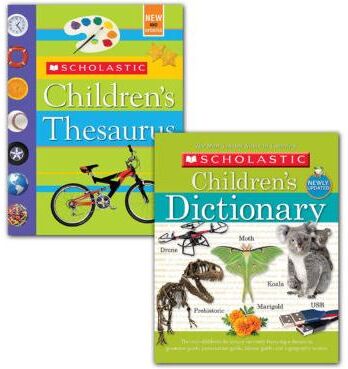

Similar search terms for Linguistic
Top-Angebote
Products related to Linguistic:
-
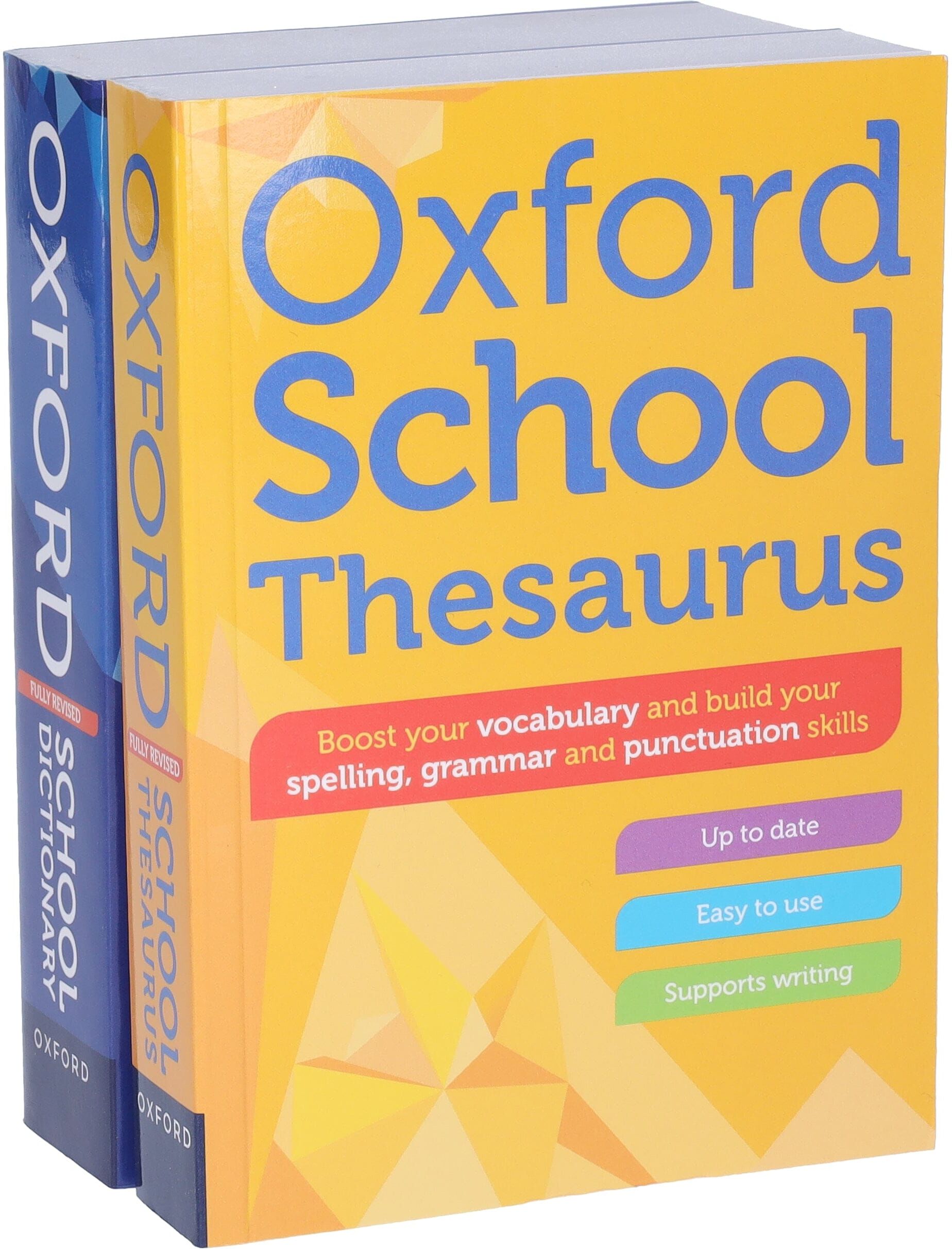
Oxford School Dictionary and Thesaurus 2 Books Collection Set - Non-Fiction - Paperback Oxford University PressThe Oxford School Dictionary and Thesaurus is an essential reference tool for students in primary and secondary education. The dictionary and thesaurus are combined into a single volume, making it an efficient and practical resource for students to use. The Oxford School Dictionary and Thesaurus is designed to provide young learners with the skills necessary to improve their reading and writing skills. The dictionary section of the book contains over 40,000 words, phrases, and definitions. The words are presented in alphabetical order, with clear and concise definitions that are easy for students to understand. Each entry includes a part of speech, a pronunciation guide, and example sentences to provide context for the word's usage. The dictionary also includes important information about word origins, prefixes, suffixes, and spelling rules to help students expand their vocabulary and language skills. One of the most significant benefits of the Oxford School Dictionary and Thesaurus is the inclusion of a thesaurus section. The thesaurus contains over 50,000 synonyms and antonyms, making it an invaluable tool for students looking to improve their writing skills. The thesaurus section is arranged in alphabetical order, making it easy for students to find the word they are looking for. The thesaurus also includes example sentences to provide context for the synonyms and antonyms and help students understand how to use them effectively. The Oxford School Dictionary and Thesaurus also include a range of additional features designed to support and enhance students' learning experience. The book contains a reference section with essential information on grammar, punctuation, and spelling. This section provides clear and concise explanations of essential language rules and guidelines, helping students to develop a strong foundation in English language skills. Another helpful feature of the Oxford School Dictionary and Thesaurus is the inclusion of word histories and language notes. These sections provide fascinating insights into the origins of words and how they have evolved over time. This information not only enhances students' understanding of language but also encourages an interest in language and its development. The Oxford School Dictionary and Thesaurus are designed with students in mind, with clear and easy-to-read text, helpful illustrations, and a durable hardback cover. The book is easy to navigate, with clear cross-referencing between the dictionary and thesaurus sections, making it a user-friendly tool for students to use. The Oxford School Dictionary and Thesaurus is an excellent resource for students of all ages and levels of ability. Whether students are just beginning to learn English or looking to improve their language skills, this book provides a wealth of information and support to help them achieve their goals. The book is particularly useful for students preparing for exams or assessments, as it provides essential information on...14,49 £*Shipping: 2,99 £Secure redirect to the provider
-
DK Marvel Encyclopedia New Edition The Ultimate Marvel Comics Characters & Superheroes Reference GuideMarvel Encyclopedia New Edition The official and definitive guide to the characters of the dynamic, ever-expanding Marvel Universe – now updated with more than 1,200 iconic Super Heroes and villains. Filled with superb artwork and illustrated characters from the original Marvel Comics, this is the one book every fan has to own – and the only book that covers the full scope of the vibrant Marvel Comics universe. The most comprehensive Marvel Encyclopedia ever created: Contains major new characters as well as updated entries for old favourites, alongside features for the latest Marvel Universe crossover events – including Judgment Day, Empyre, and War of the Realms. Hundreds of fresh new character artworks from Marvel’s own talented pool of artists, including an original cover artwork designed by renowned comic artist Marco Checchetto. Perfect for Marvel Comics fans who want the definitive reference guide to their favourite franchise. Compiled by a team of comic book experts in close collaboration with Marvel Comics, this fully updated and expanded edition features revisited entries detailing the adventures since the best-selling previous edition (2019). Major figures like Captain America and the Avengers have multi-spread sections, while even minor character entries contain details about their key attributes, allies, foes and storylines. This is the most complete guide to the Marvel Universe ever created.23,99 £*Shipping: 2,99 £Secure redirect to the provider
-
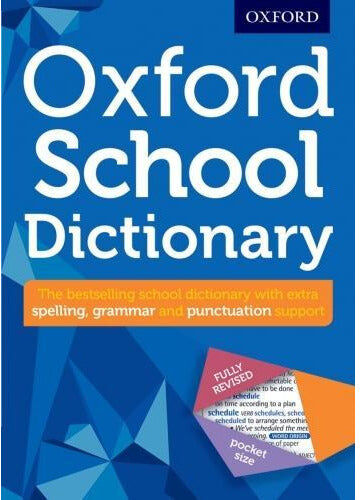
OXFORD UNIVERSITY PRESS Oxford School Dictionary - Oxford DictionaryOxford School Dictionary Description A major new edition of the trusted; bestselling; comprehensive Oxford School Dictionary with new curriculum support. This fantastic new edition will boost your children's vocabulary with new words and meanings from across the curriculum. A helpful new spelling; grammar and punctuation section is included to enhance language skills and bring the dictionary up to date. What makes it the best? It is uniquely powered by the Oxford Children's Corpus; the largest bank of children's language in English; so you can be confident that all entries are clearly written in child-friendly language that children actually understand. Each example is perfectly age-appropriate; making it easy and enjoyable for every child to use. New for this edition is a robust supplement on spelling; grammar and punctuation; giving targeted help with the tricky bits; making this dictionary the perfect tool to support children in their journey to become good readers and writers. As usual; it has been extensively trialled with schools; so you can be sure it is still the best dictionary for your children; in a handy pocket-sized format7,99 £*Shipping: 2,99 £Secure redirect to the provider
-
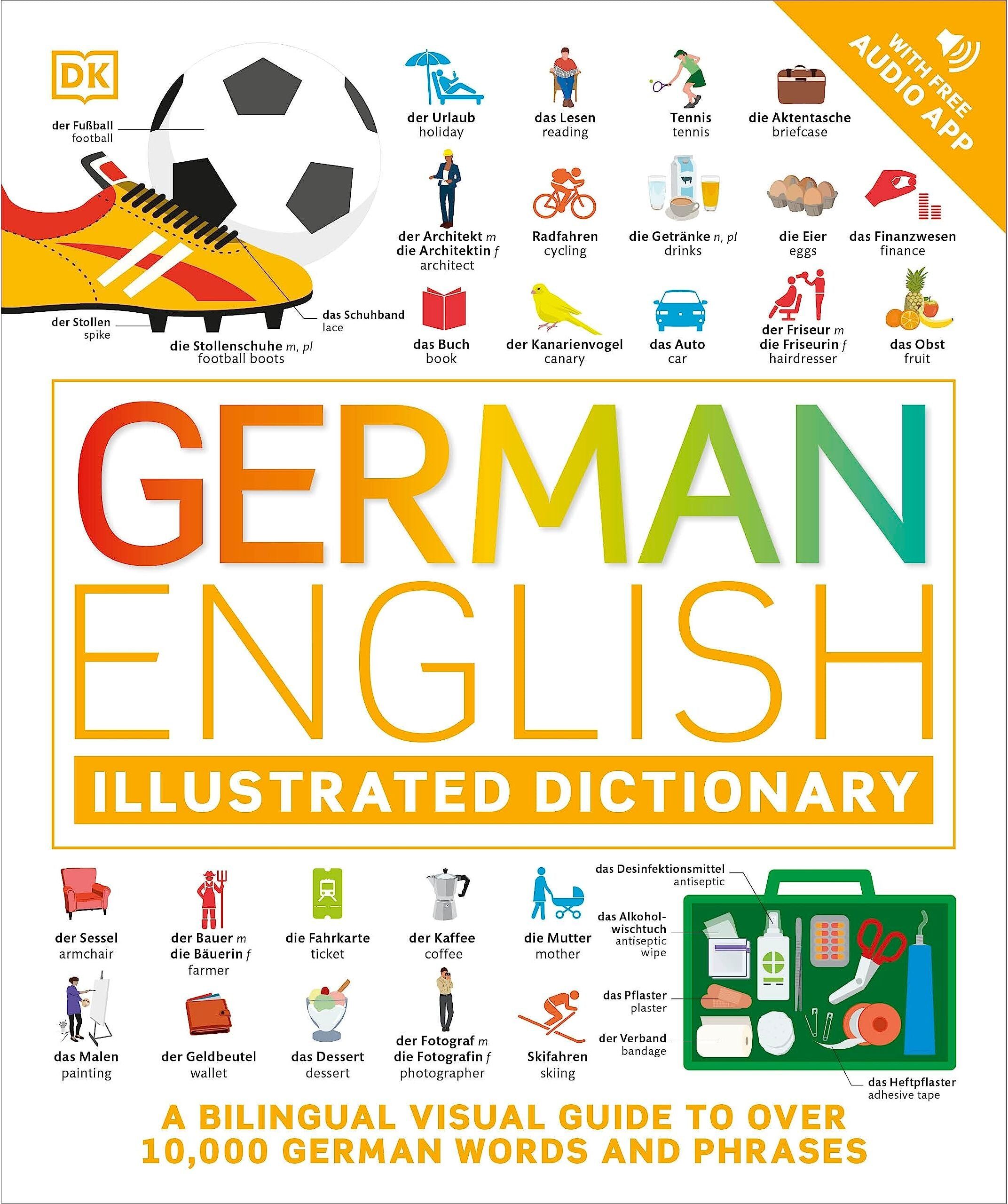
DK German English Illustrated Dictionary: A Bilingual Visual Guide to Over 10,000 German Words and PhrasesLearn more than 10,000 of the most useful words and phrases in German with this beautifully illustrated dictionary for German-language students. Building on the success of the English for Everyone course books and the Bilingual Visual Dictionary series, the German English Illustrated Dictionary uses crystal-clear illustrations to show the meaning of over 10,000 words of German vocabulary. The words are shown in a visual context in themed sections covering practical or everyday topics (such as shopping, food, or study), providing learners with all the vocabulary they need for work, travel, and leisure. Fancy becoming an expert in the language? Then open the pages of this German dictionary to discover:- A comprehensive guide to a wide range of useful German words and expressions. - Structured in clear sections based around a theme (e.g. sports, food and drink, transport). - Clear, attractive illustrations make the vocabulary easy to understand and remember. - Includes a beautiful illustration at the start of the section that sets the theme in context. German English Illustrated Dictionary is incredibly easy to use and can be used for self-study or as a reference in the classroom, and is suitable for learners at all levels, from beginner to advanced. Learning German vocabulary has never been easier with this visually stunning dictionary!12,99 £*Shipping: 2,99 £Secure redirect to the provider

-
What are good examples of linguistic and non-linguistic images?
Good examples of linguistic images include descriptive language that paints a vivid picture in the reader's mind, such as "the sun hung low in the sky, casting a warm golden glow over the fields." Non-linguistic images can include photographs, paintings, or other visual art that convey a specific mood or message without the use of words. For example, a photograph of a stormy sea with dark, churning waves can evoke a sense of danger and power without any accompanying text. Both linguistic and non-linguistic images can be powerful tools for communication and expression. **
-
What are linguistic peculiarities?
Linguistic peculiarities refer to unique or unusual features found in a language that set it apart from others. These can include specific grammar rules, pronunciation patterns, vocabulary choices, or cultural influences that shape the way a language is spoken or written. Linguistic peculiarities can vary widely from one language to another, making each language distinct and interesting in its own way. **
-
What are linguistic aspects?
Linguistic aspects refer to the different components of language that are studied in linguistics. These aspects include phonetics (the study of speech sounds), phonology (the study of sound patterns), morphology (the study of word structure), syntax (the study of sentence structure), semantics (the study of meaning), and pragmatics (the study of language use in context). Understanding these linguistic aspects helps us analyze and interpret language in a systematic way. **
-
What is linguistic redundancy?
Linguistic redundancy refers to the use of unnecessary or repetitive words, phrases, or information in communication. It can often be seen as a form of over-explaining or providing more information than is needed to convey a message. While some level of redundancy can help clarify communication and ensure understanding, excessive redundancy can lead to inefficiency and confusion in language. Overall, linguistic redundancy can be both a helpful tool for emphasizing key points and a hindrance to clear and concise communication. **
What are linguistic features?
Linguistic features are the characteristics of language that help to distinguish one language from another or one dialect from another. These features can include phonological features (such as the sounds used in a language), morphological features (such as word formation and inflection), syntactic features (such as word order and sentence structure), and semantic features (such as the meaning of words and how they are used in context). Linguistic features are essential for understanding and analyzing language and are used by linguists to study and compare different languages and dialects. **
What are linguistic devices?
Linguistic devices are techniques and structures used in language to convey meaning, create emphasis, and evoke certain emotions or responses from the audience. These devices can include figurative language such as metaphors and similes, as well as rhetorical devices like repetition and parallelism. They are used by writers and speakers to enhance the impact and effectiveness of their communication, and can be found in various forms of literature, poetry, speeches, and everyday conversation. **
Top-Angebote
Products related to Linguistic:
-
Zaffre Guilty by Definition: The instant Sunday Times bestselling linguistic mystery from Britain's wordsmith, Susie Dent (Clarendon Lexicographers)A coded letter. A missing woman. A truth waiting to be found. When an anonymous letter is delivered to the Clarendon English Dictionary office, it becomes rapidly clear that this is not the usual word-related enquiry. Instead, the letter hints at sinister events linked to a particular year. For editor Martha Thornhill, the date can mean only one thing: the summer her brilliant older sister Charlie went missing. Ten years on, Martha and her family are no closer to unravelling the mystery of Charlie's disappearance - until now. As more letters arrive, Martha and her team follow the linguistic clues to a troubling truth. It seems Charlie was keeping a powerful secret, and that someone is desperate to keep it well and truly buried. Guilty by Definition is a love letter not only to language but to the city of Oxford, wrapped within an intriguing mystery of a missing woman and considering the emotional aftershocks of her disappearance on those left behind.5,99 £*Shipping: 2,99 £Secure redirect to the provider
-
Oxford School Dictionary and Thesaurus 2 Books Collection Set - Non-Fiction - Paperback Oxford University PressThe Oxford School Dictionary and Thesaurus is an essential reference tool for students in primary and secondary education. The dictionary and thesaurus are combined into a single volume, making it an efficient and practical resource for students to use. The Oxford School Dictionary and Thesaurus is designed to provide young learners with the skills necessary to improve their reading and writing skills. The dictionary section of the book contains over 40,000 words, phrases, and definitions. The words are presented in alphabetical order, with clear and concise definitions that are easy for students to understand. Each entry includes a part of speech, a pronunciation guide, and example sentences to provide context for the word's usage. The dictionary also includes important information about word origins, prefixes, suffixes, and spelling rules to help students expand their vocabulary and language skills. One of the most significant benefits of the Oxford School Dictionary and Thesaurus is the inclusion of a thesaurus section. The thesaurus contains over 50,000 synonyms and antonyms, making it an invaluable tool for students looking to improve their writing skills. The thesaurus section is arranged in alphabetical order, making it easy for students to find the word they are looking for. The thesaurus also includes example sentences to provide context for the synonyms and antonyms and help students understand how to use them effectively. The Oxford School Dictionary and Thesaurus also include a range of additional features designed to support and enhance students' learning experience. The book contains a reference section with essential information on grammar, punctuation, and spelling. This section provides clear and concise explanations of essential language rules and guidelines, helping students to develop a strong foundation in English language skills. Another helpful feature of the Oxford School Dictionary and Thesaurus is the inclusion of word histories and language notes. These sections provide fascinating insights into the origins of words and how they have evolved over time. This information not only enhances students' understanding of language but also encourages an interest in language and its development. The Oxford School Dictionary and Thesaurus are designed with students in mind, with clear and easy-to-read text, helpful illustrations, and a durable hardback cover. The book is easy to navigate, with clear cross-referencing between the dictionary and thesaurus sections, making it a user-friendly tool for students to use. The Oxford School Dictionary and Thesaurus is an excellent resource for students of all ages and levels of ability. Whether students are just beginning to learn English or looking to improve their language skills, this book provides a wealth of information and support to help them achieve their goals. The book is particularly useful for students preparing for exams or assessments, as it provides essential information on...14,49 £*Shipping: 2,99 £Secure redirect to the provider
-
DK Marvel Encyclopedia New Edition The Ultimate Marvel Comics Characters & Superheroes Reference GuideMarvel Encyclopedia New Edition The official and definitive guide to the characters of the dynamic, ever-expanding Marvel Universe – now updated with more than 1,200 iconic Super Heroes and villains. Filled with superb artwork and illustrated characters from the original Marvel Comics, this is the one book every fan has to own – and the only book that covers the full scope of the vibrant Marvel Comics universe. The most comprehensive Marvel Encyclopedia ever created: Contains major new characters as well as updated entries for old favourites, alongside features for the latest Marvel Universe crossover events – including Judgment Day, Empyre, and War of the Realms. Hundreds of fresh new character artworks from Marvel’s own talented pool of artists, including an original cover artwork designed by renowned comic artist Marco Checchetto. Perfect for Marvel Comics fans who want the definitive reference guide to their favourite franchise. Compiled by a team of comic book experts in close collaboration with Marvel Comics, this fully updated and expanded edition features revisited entries detailing the adventures since the best-selling previous edition (2019). Major figures like Captain America and the Avengers have multi-spread sections, while even minor character entries contain details about their key attributes, allies, foes and storylines. This is the most complete guide to the Marvel Universe ever created.23,99 £*Shipping: 2,99 £Secure redirect to the provider
-
Is linguistic design the same as linguistic devices?
No, linguistic design and linguistic devices are not the same. Linguistic design refers to the overall structure and organization of language, including factors such as syntax, semantics, and discourse patterns. On the other hand, linguistic devices are specific techniques or tools used within language to achieve certain effects, such as metaphors, similes, or alliteration. While linguistic devices are a part of linguistic design, they are just one component of the broader concept. **
-
What are non-linguistic signs and linguistic signs?
Non-linguistic signs are symbols or signals that convey meaning without the use of language, such as traffic lights, facial expressions, or body language. These signs rely on visual cues or gestures to communicate information. On the other hand, linguistic signs are symbols that represent specific meanings within a particular language system, such as words, letters, or numbers. Linguistic signs rely on the conventions and rules of language to convey meaning. **
-
What are good examples of linguistic and non-linguistic images?
Good examples of linguistic images include descriptive language that paints a vivid picture in the reader's mind, such as "the sun hung low in the sky, casting a warm golden glow over the fields." Non-linguistic images can include photographs, paintings, or other visual art that convey a specific mood or message without the use of words. For example, a photograph of a stormy sea with dark, churning waves can evoke a sense of danger and power without any accompanying text. Both linguistic and non-linguistic images can be powerful tools for communication and expression. **
-
What are linguistic peculiarities?
Linguistic peculiarities refer to unique or unusual features found in a language that set it apart from others. These can include specific grammar rules, pronunciation patterns, vocabulary choices, or cultural influences that shape the way a language is spoken or written. Linguistic peculiarities can vary widely from one language to another, making each language distinct and interesting in its own way. **
Similar search terms for Linguistic
-
OXFORD UNIVERSITY PRESS Oxford School Dictionary - Oxford DictionaryOxford School Dictionary Description A major new edition of the trusted; bestselling; comprehensive Oxford School Dictionary with new curriculum support. This fantastic new edition will boost your children's vocabulary with new words and meanings from across the curriculum. A helpful new spelling; grammar and punctuation section is included to enhance language skills and bring the dictionary up to date. What makes it the best? It is uniquely powered by the Oxford Children's Corpus; the largest bank of children's language in English; so you can be confident that all entries are clearly written in child-friendly language that children actually understand. Each example is perfectly age-appropriate; making it easy and enjoyable for every child to use. New for this edition is a robust supplement on spelling; grammar and punctuation; giving targeted help with the tricky bits; making this dictionary the perfect tool to support children in their journey to become good readers and writers. As usual; it has been extensively trialled with schools; so you can be sure it is still the best dictionary for your children; in a handy pocket-sized format7,99 £*Shipping: 2,99 £Secure redirect to the provider
-
DK German English Illustrated Dictionary: A Bilingual Visual Guide to Over 10,000 German Words and PhrasesLearn more than 10,000 of the most useful words and phrases in German with this beautifully illustrated dictionary for German-language students. Building on the success of the English for Everyone course books and the Bilingual Visual Dictionary series, the German English Illustrated Dictionary uses crystal-clear illustrations to show the meaning of over 10,000 words of German vocabulary. The words are shown in a visual context in themed sections covering practical or everyday topics (such as shopping, food, or study), providing learners with all the vocabulary they need for work, travel, and leisure. Fancy becoming an expert in the language? Then open the pages of this German dictionary to discover:- A comprehensive guide to a wide range of useful German words and expressions. - Structured in clear sections based around a theme (e.g. sports, food and drink, transport). - Clear, attractive illustrations make the vocabulary easy to understand and remember. - Includes a beautiful illustration at the start of the section that sets the theme in context. German English Illustrated Dictionary is incredibly easy to use and can be used for self-study or as a reference in the classroom, and is suitable for learners at all levels, from beginner to advanced. Learning German vocabulary has never been easier with this visually stunning dictionary!12,99 £*Shipping: 2,99 £Secure redirect to the provider
-
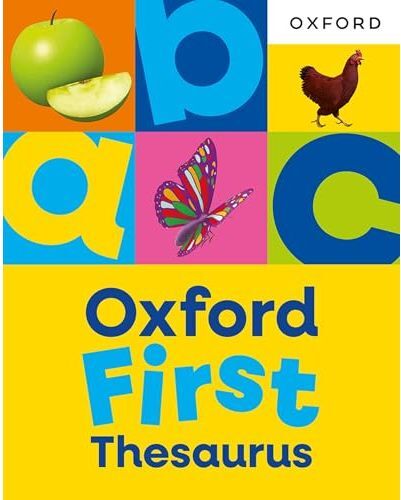
OUP Oxford Oxford First Thesaurus: An illustrated thesaurus for children age 5+ (Oxford First Dictionaries)Help children build confident speaking and writing skills with the Oxford First Thesaurus - a vibrant, child-friendly thesaurus designed especially for ages 5 and up. Perfect for use at home or in the classroom, it supports early language development by encouraging children to explore new and adventurous vocabulary in a fun, accessible way. Key features include: • Perfect for ages 5+: Developed specifically for young learners to build early speaking and writing confidence • Supports vocabulary growth: Age-appropriate example sentences help children understand synonyms in real-life context • Engaging full-colour illustrations: Bright, 3D artwork helps bring vocabulary to life and makes learning fun • Easy to navigate: Clear alphabetical layout with alphabet thumb tabs and easy-to-use index so children can independently find the words they need • Powered by the Oxford Children's Corpus: Created using a database of real examples of children's writing ensure natural, relevant vocabulary • Perfect classroom or home companion: Works seamlessly alongside the Oxford First Dictionary (9781382076487) for complete early-language support6,99 £*Shipping: 2,99 £Secure redirect to the provider
-
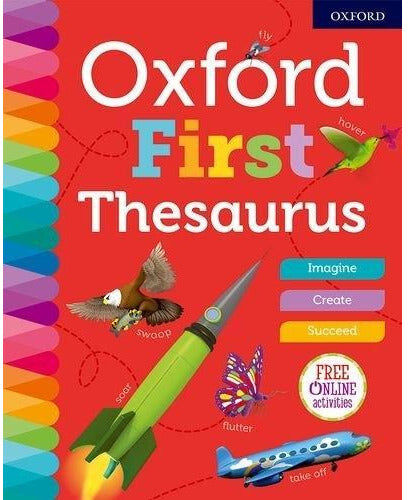
OXFORD UNIVERSITY PRESS Oxford First ThesaurusThis major new edition of the Oxford First Thesaurus in paperback has been updated to include more related words; synonyms and antonyms to develop children's writing skills; support comprehension and inspire a more creative and adventurous use of language. With its accessible alphabetical layout; fun colourful illustrations and relevant example sentences; it is the perfect resource for home and school to boost vocabulary and spark creative writing skills. Also available in durable hardback format and an ideal companion to the new updated edition of the Oxford First Dictionary6,90 £*Shipping: 2,99 £Secure redirect to the provider
-
What are linguistic aspects?
Linguistic aspects refer to the different components of language that are studied in linguistics. These aspects include phonetics (the study of speech sounds), phonology (the study of sound patterns), morphology (the study of word structure), syntax (the study of sentence structure), semantics (the study of meaning), and pragmatics (the study of language use in context). Understanding these linguistic aspects helps us analyze and interpret language in a systematic way. **
-
What is linguistic redundancy?
Linguistic redundancy refers to the use of unnecessary or repetitive words, phrases, or information in communication. It can often be seen as a form of over-explaining or providing more information than is needed to convey a message. While some level of redundancy can help clarify communication and ensure understanding, excessive redundancy can lead to inefficiency and confusion in language. Overall, linguistic redundancy can be both a helpful tool for emphasizing key points and a hindrance to clear and concise communication. **
-
What are linguistic features?
Linguistic features are the characteristics of language that help to distinguish one language from another or one dialect from another. These features can include phonological features (such as the sounds used in a language), morphological features (such as word formation and inflection), syntactic features (such as word order and sentence structure), and semantic features (such as the meaning of words and how they are used in context). Linguistic features are essential for understanding and analyzing language and are used by linguists to study and compare different languages and dialects. **
-
What are linguistic devices?
Linguistic devices are techniques and structures used in language to convey meaning, create emphasis, and evoke certain emotions or responses from the audience. These devices can include figurative language such as metaphors and similes, as well as rhetorical devices like repetition and parallelism. They are used by writers and speakers to enhance the impact and effectiveness of their communication, and can be found in various forms of literature, poetry, speeches, and everyday conversation. **
* All prices are inclusive of VAT and, if applicable, plus shipping costs. The offer information is based on the details provided by the respective shop and is updated through automated processes. Real-time updates do not occur, so deviations can occur in individual cases. ** Note: Parts of this content were created by AI.